
Last updated November 24, 2026
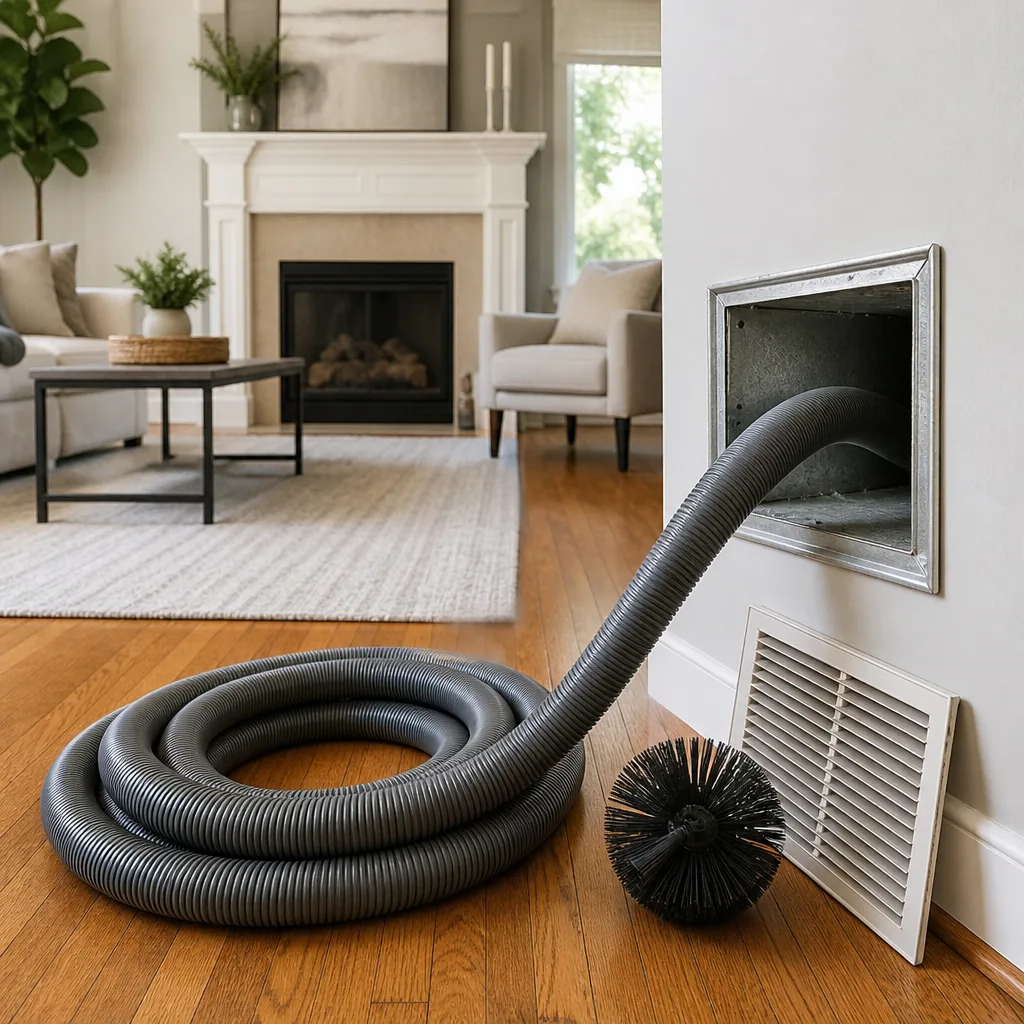 Whole-home duct cleaning
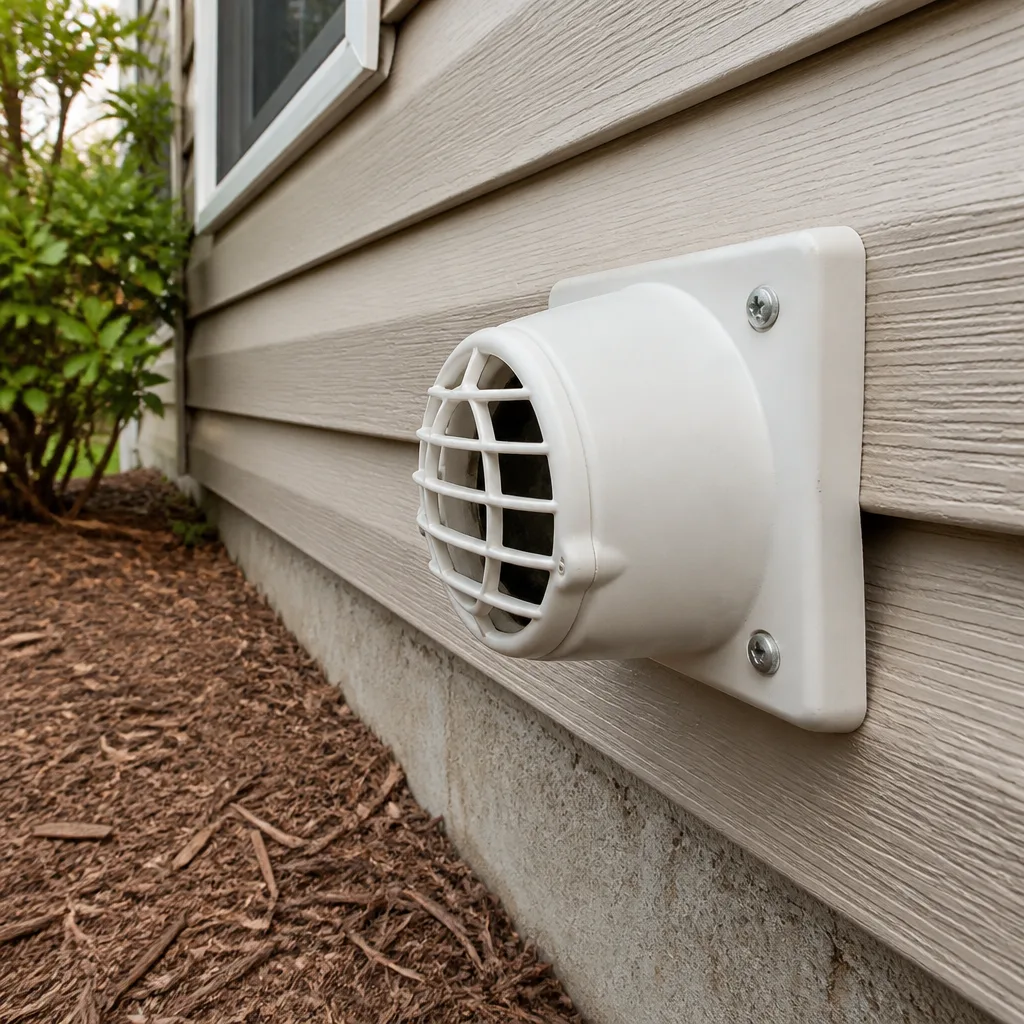 Dryer vent cleaning
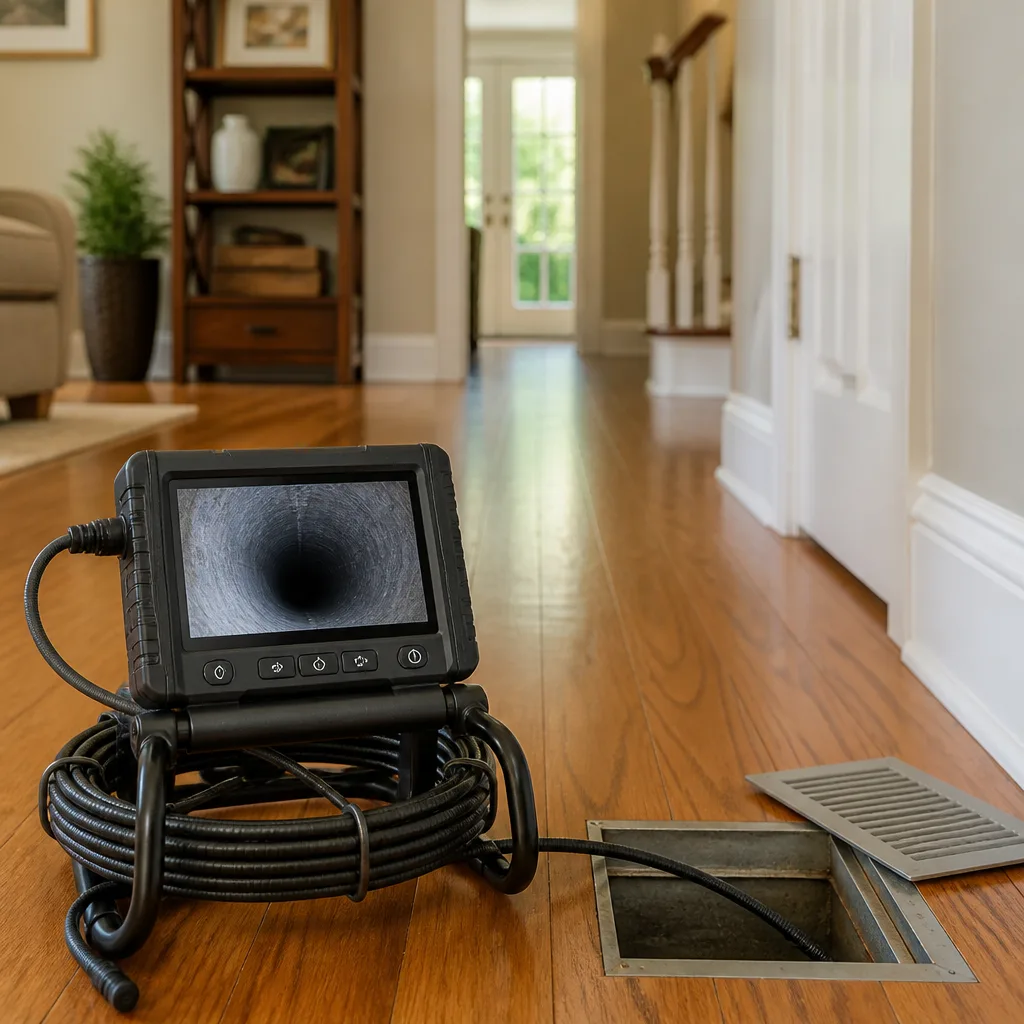 Camera inspection
 Sanitizing & deodorizing
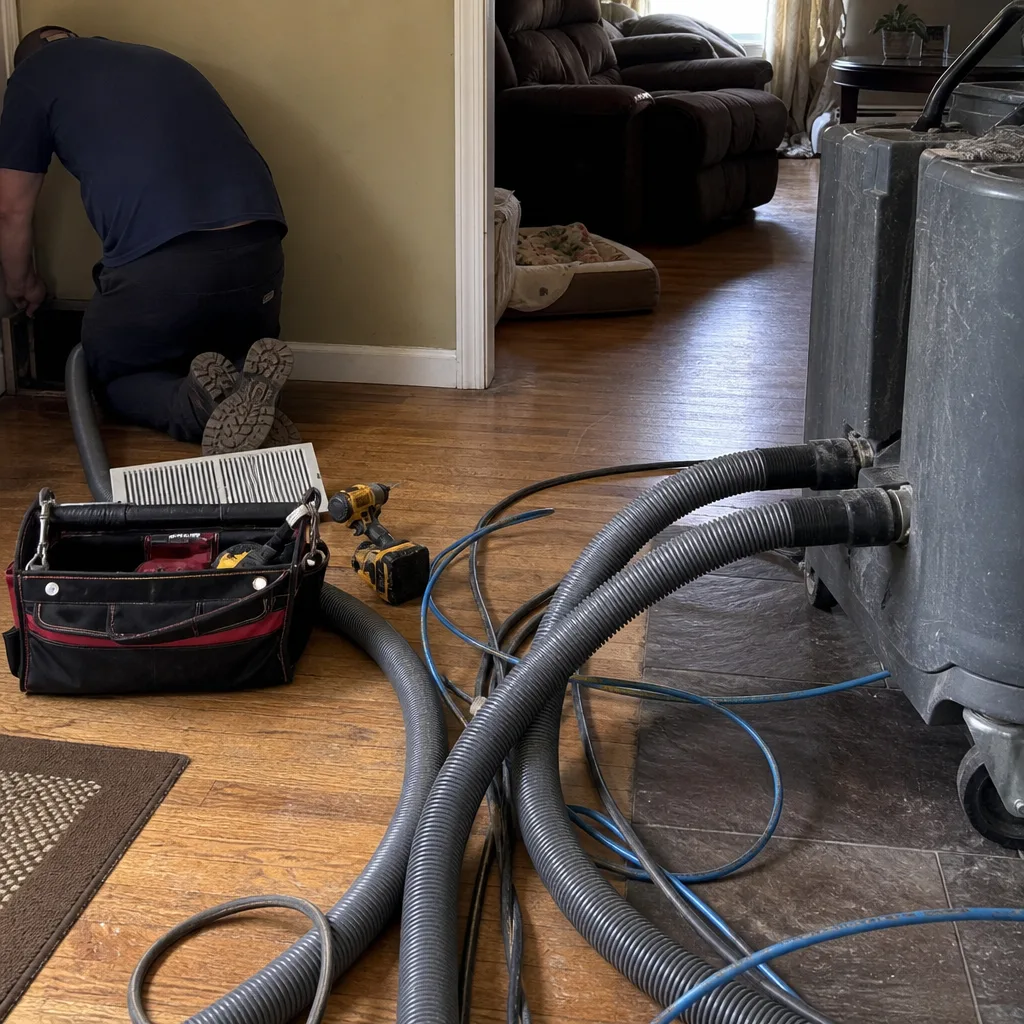
Whole-system duct and dryer vent check with before-and-after photos - you see exactly what came out of your vents
That "$99 whole-house special" is a bait ad - the real number appears once they are in your hallway, or the "clean" is a shop-vac at the register. We photograph the inside of your ducts before and after instead.
Air Duct Cleaning Cost Breakdown: The Stapleton Homeowner’s Reference for 2026
A $199 whole-house air duct cleaning quote and a $650 quote can both be honest. They simply aren’t describing the same job. That’s the reality of duct cleaning pricing in Stapleton, NY right now: it’s a trade with almost no standardization, so the number on the invoice reflects what a company is actually going to do, how long it will take, what equipment it brings, and what it decides to include or leave out. The homeowner who doesn’t know what separates a $199 job from a $650 job can’t tell a fair price from a thin one. This guide fixes that. You’ll learn the real cost drivers, 2026 Stapleton price ranges by home size, which add-ons are worth it, and how to compare quotes on equal footing before you spend a dollar.
Quick Answer
Air duct cleaning in Stapleton typically runs $300 to $650 for a standard single-family home in 2026, depending on system size, vent count, duct material, and whether the return side is included. Larger homes and systems with difficult access can project into the $700 to $950 range. Add-on services like dryer vent cleaning, coil cleaning, and sealing are priced separately. A written estimate that specifies exactly what’s being cleaned is the only reliable way to compare one quote against another.
Styles & brands we work with
- Whole-home duct cleaning
- Dryer vent cleaning
- Camera inspection
- Sanitizing & deodorizing
Table of Contents
- Why Two Stapleton Quotes for the Same Job Can Differ by $300
- The Five Cost Drivers Nobody Explains to You
- 2026 Stapleton Price Ranges by Home and System Type
- Linear Footage vs. Vent Count: The Pricing Model Difference
- Which Add-On Services Are Legitimate and Which Are Reflexive
- The Cost of Not Cleaning: Airflow, Efficiency, and Payback
- How to Build a Quote Comparison Matrix
- When to Call a Professional
- Frequently Asked Questions
Why Two Stapleton Quotes for the Same Job Can Differ by $300
Duct cleaning has no uniform industry standard for what a “whole-house cleaning” includes. Two companies can both use that phrase and mean very different things. One cleans every supply run and every return trunk, seals the register boots, and takes before-and-after photos inside the plenum. The other cleans the visible supply runs off the main trunk, skips the return side, and leaves the air handler cabinet closed. Both quotes are real. They’re just not equivalent, and the $300 gap probably lives in exactly that difference.
In Stapleton, the gap often widens further because of housing stock. Much of the housing here spans older construction and renovation-era updates, which means a single home can carry a mix of sheet metal, flex duct, and fiberboard. Each material needs different handling, different tool heads, and different cleaning times. A company that prices per vent without evaluating the system will miss that variation entirely. A company that walks the system and writes a scope per zone will charge more, because the job is genuinely more involved.
What matters when you compare: what’s being cleaned, not what’s being charged. The cheapest quote frequently reflects a smaller scope, not a better deal. That’s the single most useful idea in this guide. Everything else flows from it.
The Five Cost Drivers Nobody Explains to You
Most pricing pages say “costs vary.” That’s true and useless. Here are the five things that actually move the number in Stapleton, listed in the order they usually have the biggest effect.
- Duct linear footage vs. vent count pricing model. Companies that price by the number of vents charge a flat rate per register and multiply. Companies that price by linear footage measure the runs. Linear-footage pricing is more accurate to actual work, but it produces a higher sticker because it can’t be teased down to a low per-vent number that looks good in a search ad.
- Accessibility of the air handler. The air handler is the fan and coil cabinet at the heart of the system. If it’s sitting clean in a utility closet with an accessible service panel, cleaning it adds little. If it’s boxed in, mounted in a tight attic space, or under a finished ceiling with no service access, opening and cleaning it takes real time. That time shows up in the quote, and it should.
- Duct material type. Sheet metal cleans fast and cleans completely. Flex duct requires lower-pressure agitation and careful handling to avoid tearing the inner liner. Fiberboard duct is fragile, so it takes more time and more care, and it sometimes cannot be cleaned as thoroughly as the other two. A home with mixed materials costs more than a home with all sheet metal, even at the same vent count.
- Whether the return side is included. The supply side pushes air into rooms. The return side pulls it back through the air handler. Return trunks are often larger in diameter and longer in run than the supply trunks, so cleaning them properly can add substantial time. Some buyers don’t realize their quote covered supplies only, and that’s where the “why did it cost extra” conversations come from.
- Equipment and contamination level. A shop vacuum and a shop light will clean what you can see. Purpose-built tools like Rotobrush and Nikro systems, connected to a negative-pressure containment setup, clean what you can’t. A home with heavy pet dander, recent renovation dust, or a long stretch without a cleaning needs more effort and takes a better tool. That equipment costs the company money, and it’s reflected in a fair price.
When we scope a job in Stapleton, we evaluate all five before we set a price. That’s the whole point of a written estimate: it forces the conversation about scope before the work starts. One flat price per system, agreed up front, with no per-vent games at the invoice.
2026 Stapleton Price Ranges by Home and System Type
The numbers below are typical, estimated ranges for the Stapleton market in 2026. Every home is different. A written estimate sets the final price, and the ranges here are meant to tell you roughly where your job should land, not to replace the estimate itself.
- Small home, single system, supply-only clean: $300 to $425. Usually 6 to 10 supply vents, one air handler, straightforward closet access, mostly sheet metal runs. Cleaning of the supply trunk and all supply runs, with the air handler cabinet cleaned if access allows.
- Standard single-family, full supply and return clean: $400 to $650. The most common Stapleton job. 10 to 15 vents across supply and return, one system, air handler cleaned, boots vacuumed at each register, before-and-after photos provided.
- Larger home, full system plus sanitizing: $550 to $800. Multiple zones, 15 to 25 vents, air handler and coil cabinet cleaned, sanitizing treatment applied to surfaces inside the system. Often appropriate after a renovation, after water exposure inside the system, or after moving into a home with pets.
- Complex access or multiple systems: $700 to $950+. Two systems, or one system spread across difficult attic and crawlspace runs, mixed duct materials, or fiberboard sections that need careful handling. Pricing here reflects time, not padding.
- Duct repair and sealing (priced separately): $350 to $900 depending on the number of failed joints, disconnected flex runs, and the total linear footage sealed. Sealing pairs naturally with cleaning, because the cleaning reveals where the leaks are.
- Dryer vent cleaning (priced separately): $125 to $225 for a typical single-family run, higher if the vent path is long or routed through multiple elbow turns. This is a legitimate standalone service and a real safety item.
- Coil cleaning (priced separately when the coil is accessible): $150 to $350. Worth doing during an HVAC cleaning visit if the coil is reachable inside the cabinet, because a dirty evaporator coil cuts efficiency year-round.
If your home sits at the boundary between two tiers, the estimate will clarify which it belongs in. Ask the technician to point at the difference before the work begins so you understand what you’re paying for.
Linear Footage vs. Vent Count: The Pricing Model Difference
This one distinction explains most of the quote chaos in Stapleton. Companies either price per vent or per linear foot of duct, and the two models produce numbers that are nearly impossible to compare side by side without translation.
Per-vent pricing charges a fixed amount for each register, then applies minimums. A company at $40 per vent on a 12-vent home quotes $480. That model is easy to market, easy to explain, and easy to game. If the quote is $25 per vent and the company’s definition of “cleaning” is a vacuum pass at the visible register only, the buyer gets $300 of actual value out of a $300 quote. Fair enough. But if the quote is $25 per vent and the buyer thinks they’re getting every return trunk and the air handler cleaned, they’re about to be disappointed. The per-vent model is not inherently dishonest. It’s simply an incomplete description of scope.
Linear-footage pricing measures each run and prices the whole system by actual duct length. A 12-vent home with 140 feet of duct may price out at $520 because the work is real. The sticker looks higher next to a per-vent competitor, but the scope is usually broader. The linear model also reflects complication honestly: a long return run in a finished ceiling costs more than a short one in a closet, and both pricing models need to account for that.
Which one should you favor? Neither, exactly. What you should favor is a quote that names the vents it will clean, says whether the return side is included, names the air handler cabinet, and lists the tools the company brings. When a company does that, the pricing model is only how it arrived at the number, not a proxy for quality. When we quote a Stapleton home, we do exactly that: full-system scope, one flat price, clear list of what’s included. Professional-grade equipment, not improvised tools, on every job.
For homeowners who want a straight comparison, ask every company for the same three things: a vent count by supply and return, a statement about the air handler cabinet, and a statement about which tools are used. Every quote answers the same question after that. Our air duct cleaning service page describes how we scope a system in more detail if you want the vocabulary before you call.
Which Add-On Services Are Legitimate and Which Are Reflexive
Duct cleaning has a well-earned reputation for upselling. Some add-ons are genuinely important. Others are reflex offers that get tacked onto every job. Knowing which is which keeps you in control of the line items.
Coil cleaning is legitimate. The evaporator coil sits inside the air handler and dehumidifies the air as it passes through. When it’s coated in dust and biological growth, the system works harder to move the same air and the home cools less effectively. Cleaning it during a system cleaning is almost always worthwhile if the coil is accessible. Ask whether it’s included in the base price or priced separately, and if separately, ask the range.
Dryer vent cleaning is a legitimate standalone service. Lint accumulation in a dryer vent restricts airflow and creates a fire hazard, and this isn’t connected to the HVAC ductwork at all. It deserves its own line item. Many Stapleton homeowners book dryer vent cleaning at the same visit as the HVAC cleaning because it’s efficient to combine two scheduled appointments. If a company bundles it into a “full clean,” ask what the dryer vent portion costs on its own so you know what you’re actually buying.
Antimicrobial fogging is context-dependent. Fogging applies a treatment to interior surfaces that have already been cleaned. It’s warranted when there’s visible biological growth inside the system, a persistent musty odor that survives cleaning, or a recent water event. It’s not warranted as a blanket add-on to every cleaning. If a system just has ordinary dust, fogging does nothing the cleaning didn’t already do. The honest answer to “do I need it?” is “only if the inside of the system says so.” Ask the technician to show you why. When we offer sanitizing, we offer it because we saw something specific in the system, and we’ll show you what we saw.
Duct repair and sealing is legitimate and often missed. Cleaning removes what’s inside the ducts. Sealing closes the gaps that let new dust in and let conditioned air out. If the cleaning reveals failing joints, disconnected flex runs, or boots that don’t meet the floor cleanly, sealing fixes the root cause. Without it, the ducts will be dirty again faster. Full-spectrum service means the same provider can do both without a handoff to another contractor. Our Air Duct Cleaning Stapleton page has an overview of how the two services pair up.
The Cost of Not Cleaning: Airflow, Efficiency, and Payback
The honest argument for duct cleaning isn’t about what you’ll see on the invoice. It’s about what happens over the twelve to eighteen months after you skip the job. Restricted airflow makes the system work harder to hit the same setpoint, and that shows up on your energy bill and in the wear on your blower motor and coil.
Here’s the mechanism, in plain terms. When dust builds up inside return trunks and coats the air handler and coil, the system has to move the same volume of air through a narrower path. The blower motor spins longer and draws more current. The coil cools less effectively because the air passing over it is warmer and slower. The result, across a heating and cooling cycle, is a system that runs harder to deliver the same comfort you were getting before. In Stapleton homes, where the system runs through humid summers and long heating seasons, that wear compounds.
How often does a cleaning pay for itself? In our experience, most standard cleanings recover their cost in airflow improvement and efficiency recovery somewhere in the twelve to eighteen month range, particularly when the cleaning is paired with sealing. That window shortens in homes with pets, recent renovation dust, or a history of running the system without a quality filter. It lengthens in clean homes that are already well filtered. We can’t put an exact percentage on the difference for your specific home, and anyone who claims one is guessing. What we can say is: ask the technician to show you a before-and-after photo of the return trunk and the coil. When the difference is visible, you can decide for yourself whether it was worth doing.
The other cost of not cleaning is filtration. A clean system with a Honeywell or Aprilaire filter running at the correct pressure drop is doing its job. A system with years of dust inside it means the filter is fighting against an already-dirty environment, and its effective life drops. The filtration product only works when it’s installed on a clean system. That’s why we integrate Honeywell and Aprilaire products at the system level rather than treating filtration as an afterthought.
How to Build a Quote Comparison Matrix
Here’s the exercise that turns vague comparisons into real ones. Before you call a single company, build a small comparison matrix on paper and force every quote into it. When you do this, two things happen: unclear quotes become obviously unclear, and honest quotes become comparable.
- List the scope items as rows. Supply runs, return runs, air handler cabinet, coil (if accessible), boots and registers, sanitation, before-and-after photos, and any repair and sealing discovered during the job. Eight rows in a notebook is enough.
- List every company as a column. Mark “included,” “not included,” or “quote says nothing” in each cell. A quote with many “quote says nothing” cells tells you something important about how that company scopes a job.
- Ask the technician to name the tools. You’re listening for purpose-built equipment. Rotobrush and Nikro systems are the names you’ll hear from a company that does this seriously. If a quote leaves tools unnamed, ask directly.
- Ask about the return side explicitly. This single question separates many quotes that would otherwise look similar. If a company answers vaguely, treat the return scope as “not included” until they commit in writing.
- Ask what happens if the cleaning reveals a repair. A quote that names a range for duct repair and sealing is a quote that respects the buyer. A quote that says “we’ll see” invites a surprise line item later.
- Normalize the numbers. Take the total quote and divide by the vent count in the full scope. If two quotes come out within $15 to $20 per vent of each other, they’re probably describing close-to-equivalent jobs, and you can choose on the technician’s explanation. A $40-per-vent gap almost always means the scope differs.
- Ask to see before-and-after photos from previous work. A company that shows its work product openly will show it on yours. A company that won’t show prior jobs is asking you to trust the process blind.
- Ask for the written estimate to be itemized. The written estimate sets the final price, and a written line-by-line scope is a written line-by-line protection. One flat price per system, in writing, before work starts.
This isn’t an exercise in finding the cheapest number. It’s an exercise in finding out what you’re buying. When the matrix is full, the honest $520 quote and the honest $320 quote will look like what they are: two different scopes. And you’ll know which one your home actually needs.
Common Mistakes to Avoid
- Comparing quotes on price alone. Two quotes are only comparable once the scope is written down. Price comparison without scope comparison is guesswork.
- Assuming “whole-house” means every vent. Ask which return vents are included, not just how many supply vents. Returns are often where the work is heaviest.
- Skipping the air handler cabinet. Cleaning the ducts while leaving the fan and coil cabinet uncleaned means reinstating the dirt immediately. The cabinet has to be in scope.
- Accepting antimicrobial fogging as a default. Ask why it’s being recommended. If nobody can point to something specific in the system, it’s a reflex add-on, not a needed service.
- Ignoring duct material when scoping the job. A single Stapleton home can have sheet metal, flex, and fiberboard in the same system, and each material needs different handling. A quote that ignores material type is a quote that hasn’t looked.
- Booking the cleaning without checking the filter and the return grille. The filter and the return grille are the two places a homeowner can actually inspect. If they’re loaded with dust, that’s a real signal about the inside of the system.
- Choosing based on a search-ad headline number. A low per-vent teaser usually reflects a smaller scope, not a better deal. Ask what’s included before comparing the headline figure against anything.
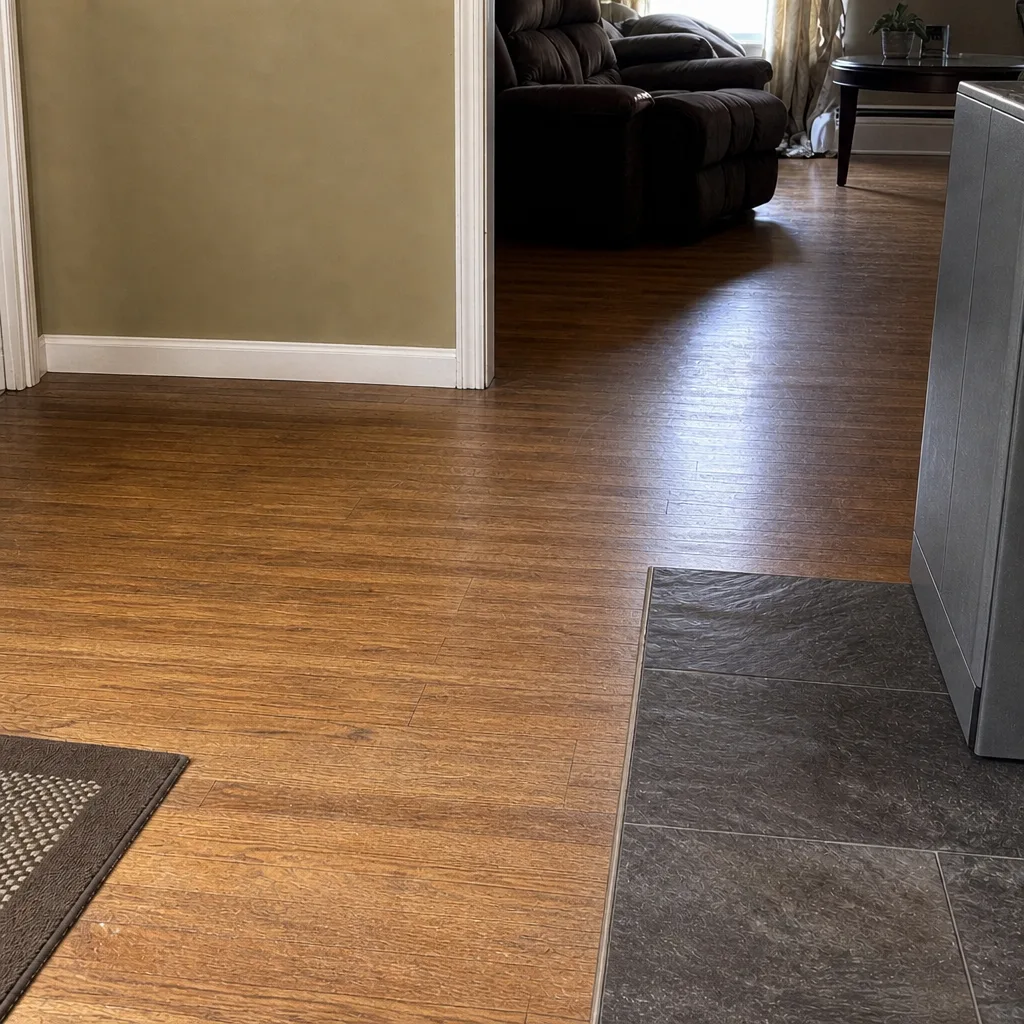
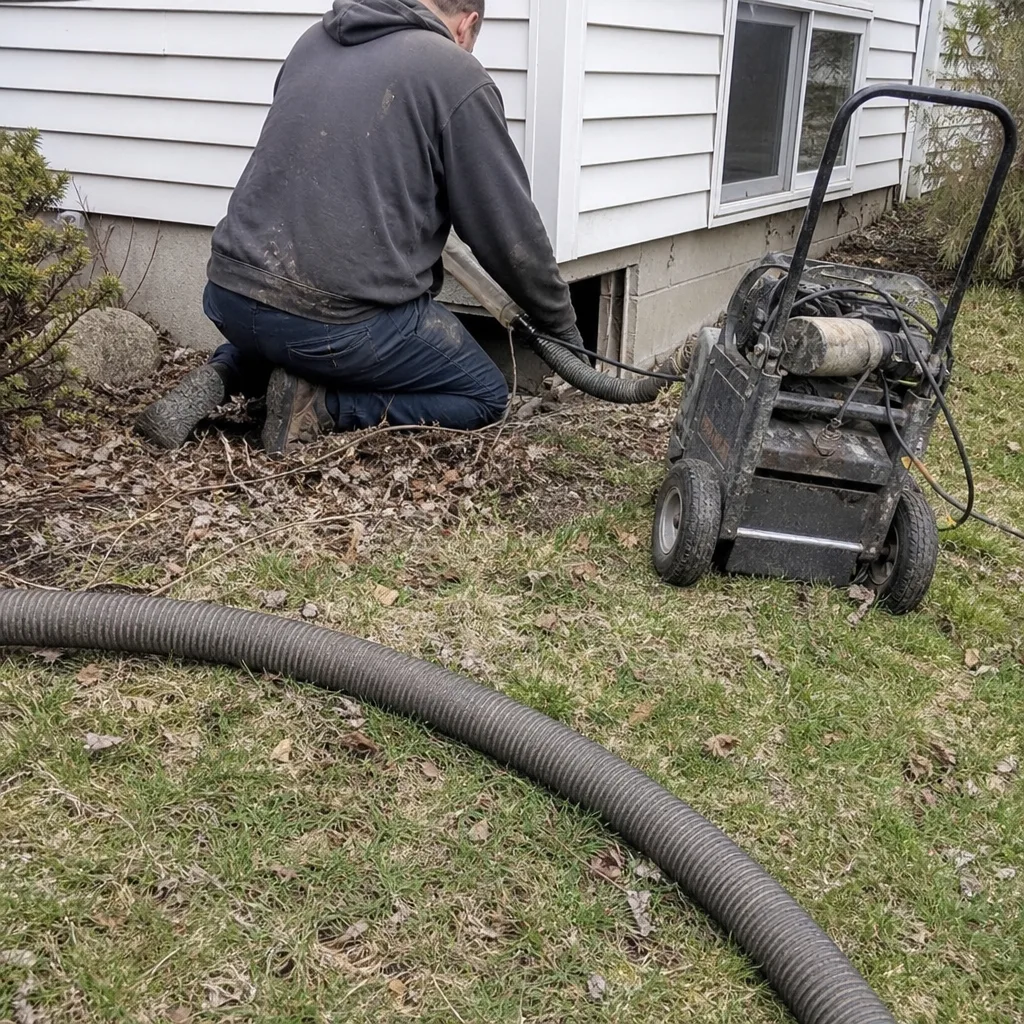
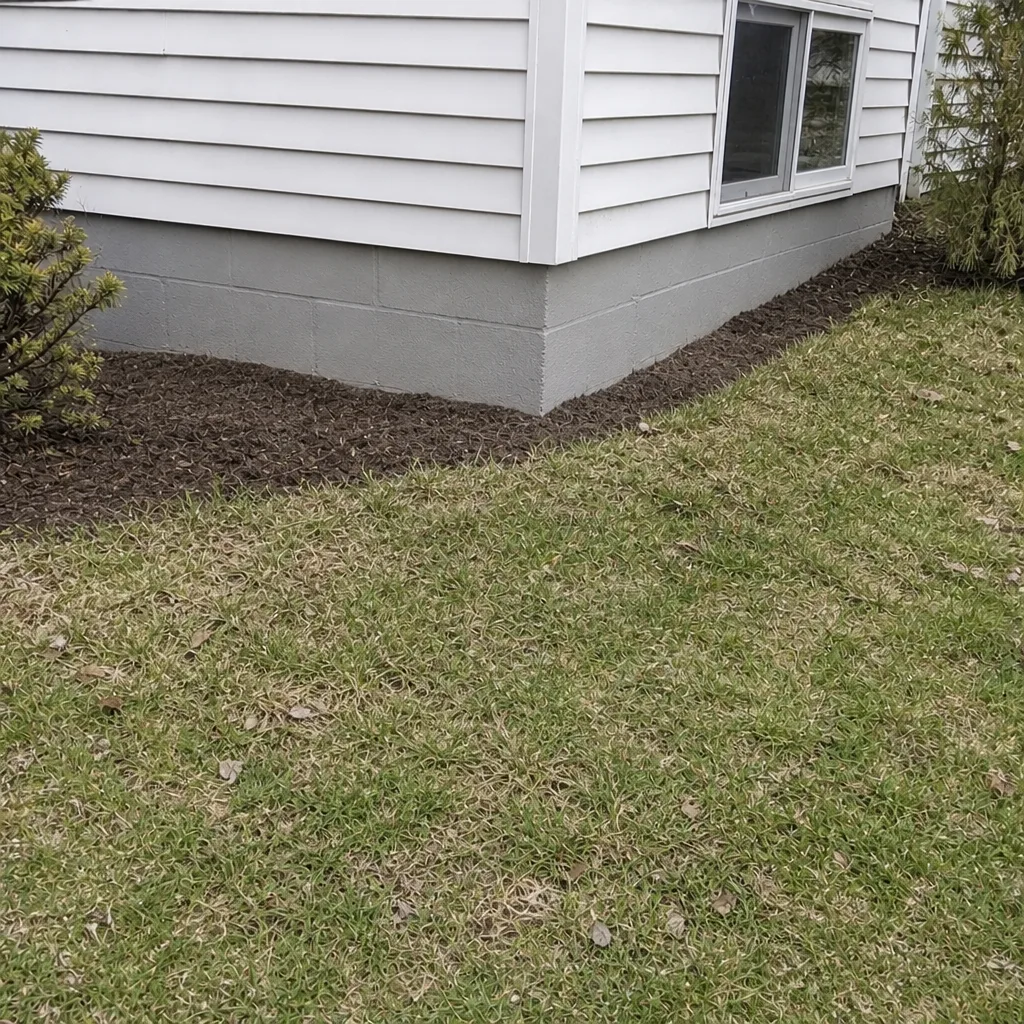
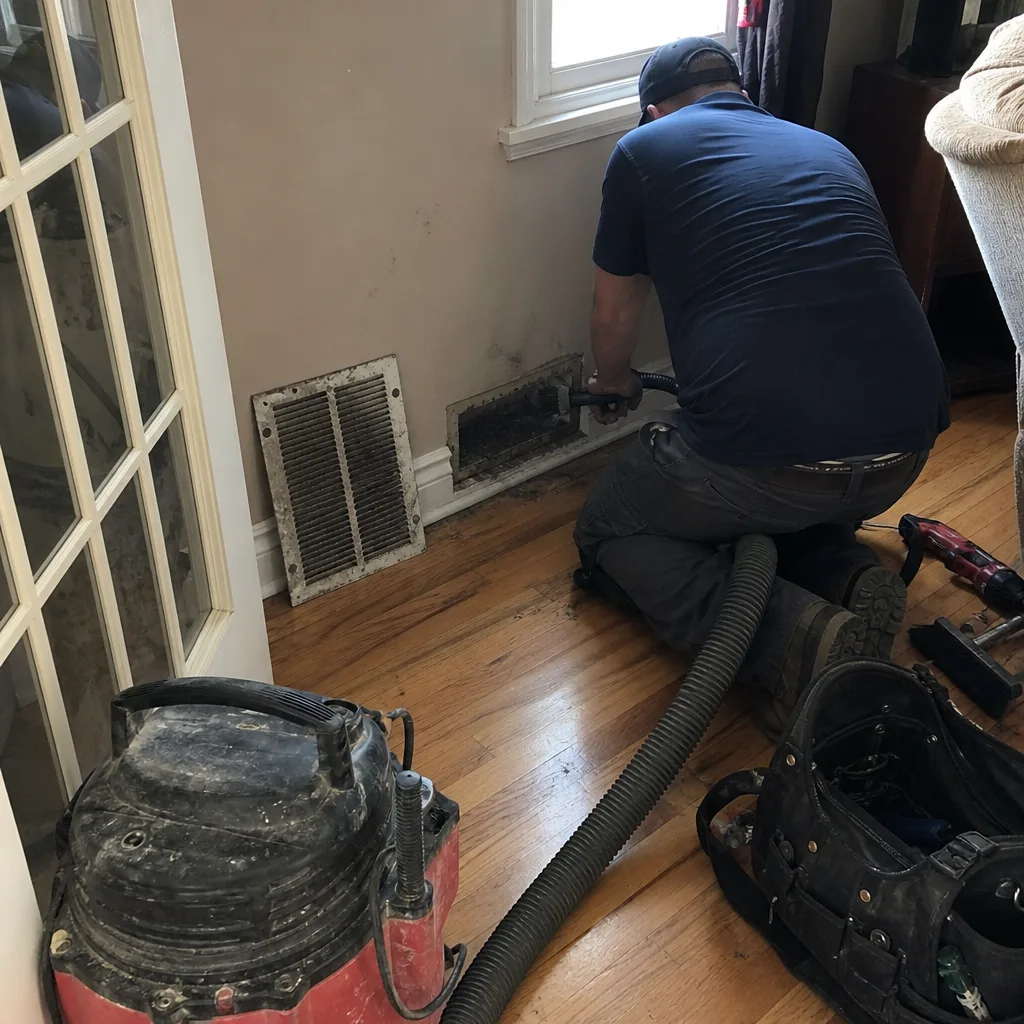
See the difference
 Before
 After
 Before
 After
 Before
 After
When to Call a Professional
Some duct cleaning is preventive and can wait for a scheduled appointment. Some situations warrant a call now rather than later. Call a professional when you see visible dust buildup at the return grilles that returns within a week of cleaning them, when there’s a persistent musty or damp odor each time the system runs, when you’ve finished a renovation that produced heavy drywall dust, when a pet has been in the home long enough that dander has likely settled in the return trunks, or when you’ve noticed the system running longer to hit the same temperature. For any of that, our team offers free estimates in Stapleton. Call (877) 536-7311. We answer 24/7. Fast dispatch from 7am to 7pm, Sunday through Friday.
Frequently Asked Questions
Typical 2026 ranges in Stapleton are $300 to $650 for a standard single-family home, with larger or more complex systems projecting to $700 to $950. The final price is set by the written estimate once the system has been scoped. The written estimate names the number of supply and return vents, the air handler cabinet, and any add-ons. Call (877) 536-7311 for an exact quote. Estimates are free.
In most cases, the cheaper quote is describing a smaller job: supply runs only, no return trunks, no air handler, and a shop-vac level of tooling rather than purpose-built equipment. That’s not automatically a bad quote. It’s a different scope. Ask what the quote includes by vent count and whether the return side and air handler are covered. The gap is usually visible in that answer.
Ask for before-and-after photos taken inside the ducts and the air handler cabinet at the start and the end of the visit. A serious provider will show you the images as a matter of routine. See what’s inside before and after. We show our work. If a company can’t or won’t produce photos, treat that as a signal about how the work was documented, and ask how you’ll be able to verify the cleaning.
For a well-filtered home with no pets and no recent renovation, most guidance settles into a cleaning every three to five years, paired with filter changes at the manufacturer’s recommended interval. In Stapleton homes with pets, allergy-sensitive occupants, or recent renovation dust, the interval shortens to every two to three years. The right indicator isn’t the calendar, it’s what you see at the return grille and what the technician finds on inspection.
It’s necessary when the cleaning reveals real gaps: failing joints, disconnected flex runs, or boots that don’t meet the floor cleanly. Those gaps let new dust in immediately and let conditioned air escape every time the system runs. When the cleaning is thorough and the joints are failing, sealing fixes the root cause. When the joints are tight, there’s nothing to seal, and an honest company will tell you so. Call (877) 536-7311 to have a technician assess the system.
It matters somewhat, mostly because of how long the system runs in the hottest and coldest weeks. A system that runs long cycles moves more air through the return trunks and the coil, so dust accumulates faster during the heaviest-use months. That’s one reason a cleaning schedule set against the system’s actual operating load is more useful than one set against the calendar alone. If you’re unsure where your home stands, book an estimate and have it looked at.
The Bottom Line
Duct cleaning pricing in Stapleton is poorly standardized, which means the number on the quote tells you less than the scope behind it. Two honest quotes can differ by $300 and describe two different jobs. The five cost drivers, the per-vent vs. linear-footage pricing models, and the reality of mixed duct materials in Stapleton homes explain most of the variation. The add-on question is whether each line item is justifying itself in the system, not whether the company offers it. Build a comparison matrix, ask what’s included by vent count and material, ask for before-and-after photos, and let the written estimate do the talking. When the scope is clear, the price stops being mysterious.
Ready to stop guessing? Call (877) 536-7311 for a free estimate. We answer 24/7. Fast dispatch from 7am to 7pm, Sunday through Friday. One flat price per system, agreed before work starts, with before-and-after photos of your own ducts at the end.
Written by the team at Air Duct Cleaning Stapleton.