
Last updated November 24, 2026
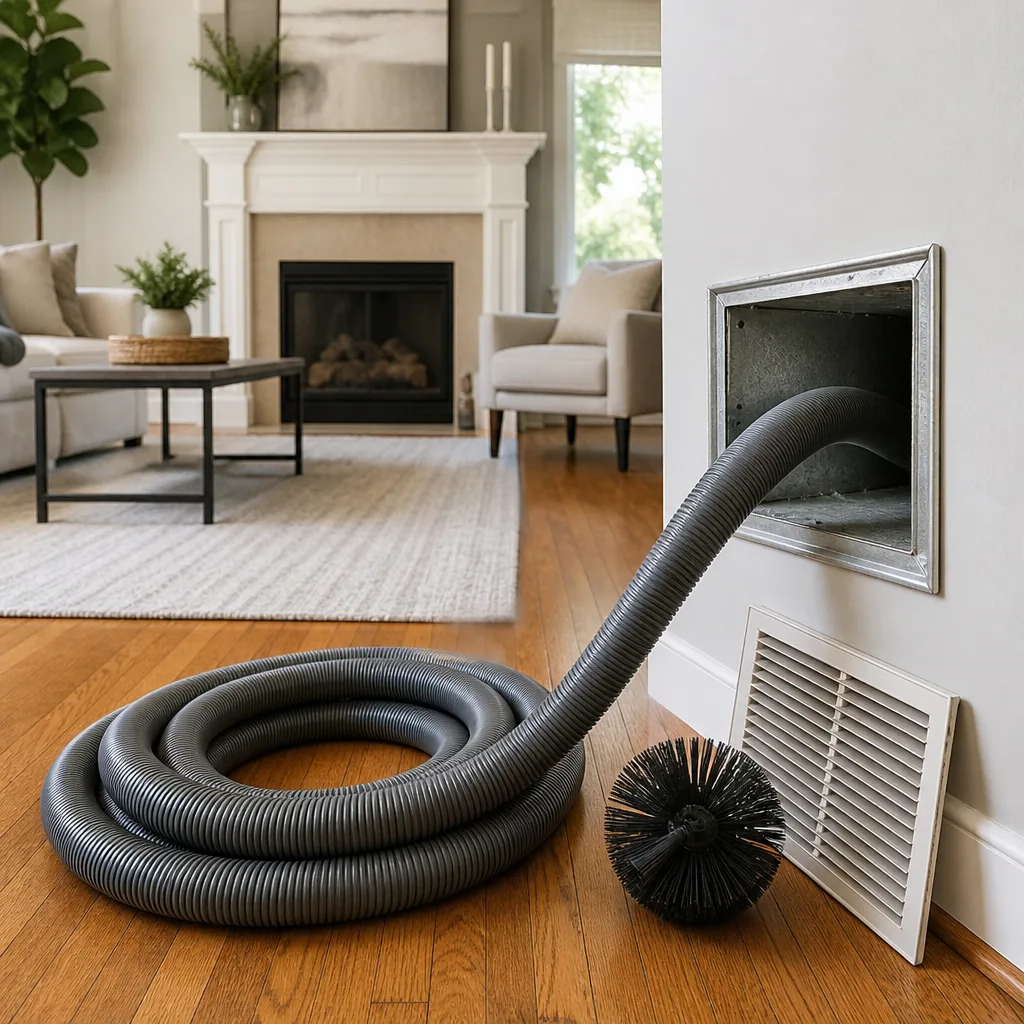 Whole-home duct cleaning
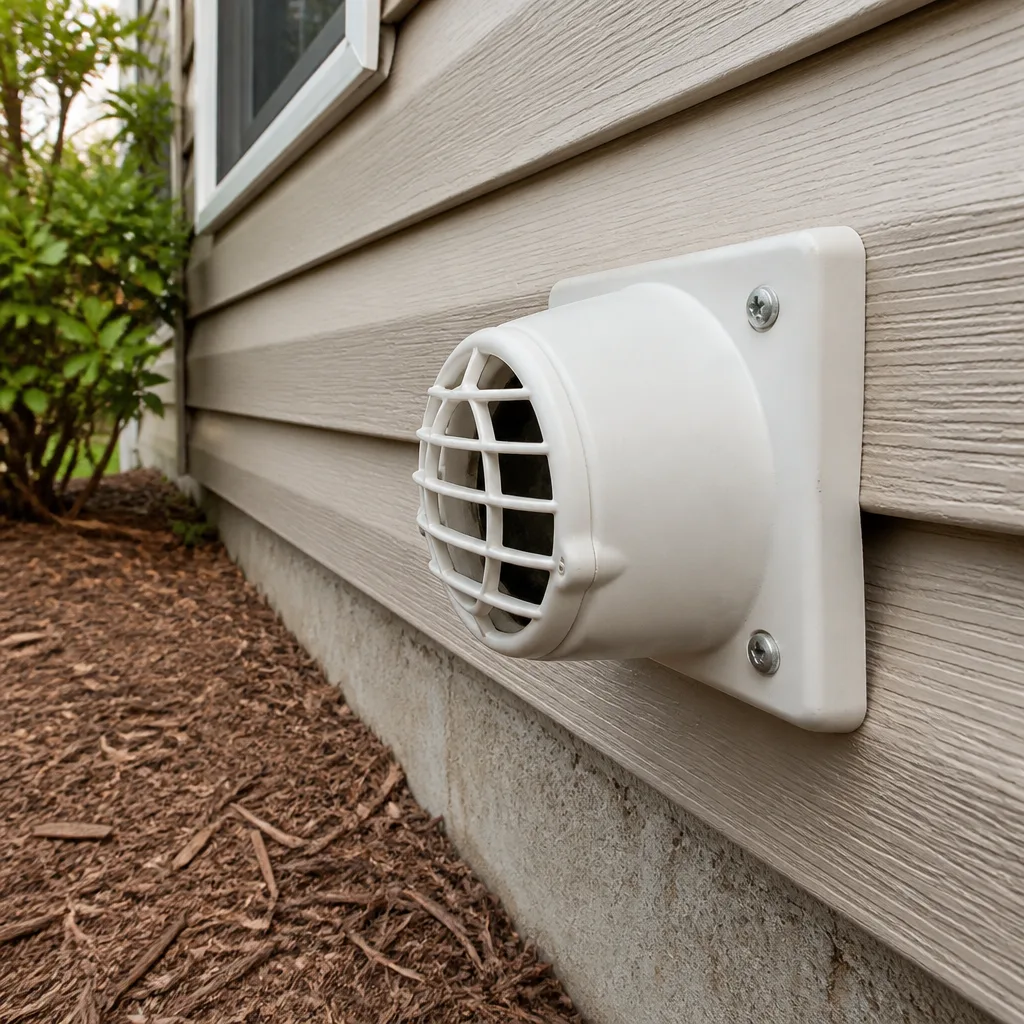 Dryer vent cleaning
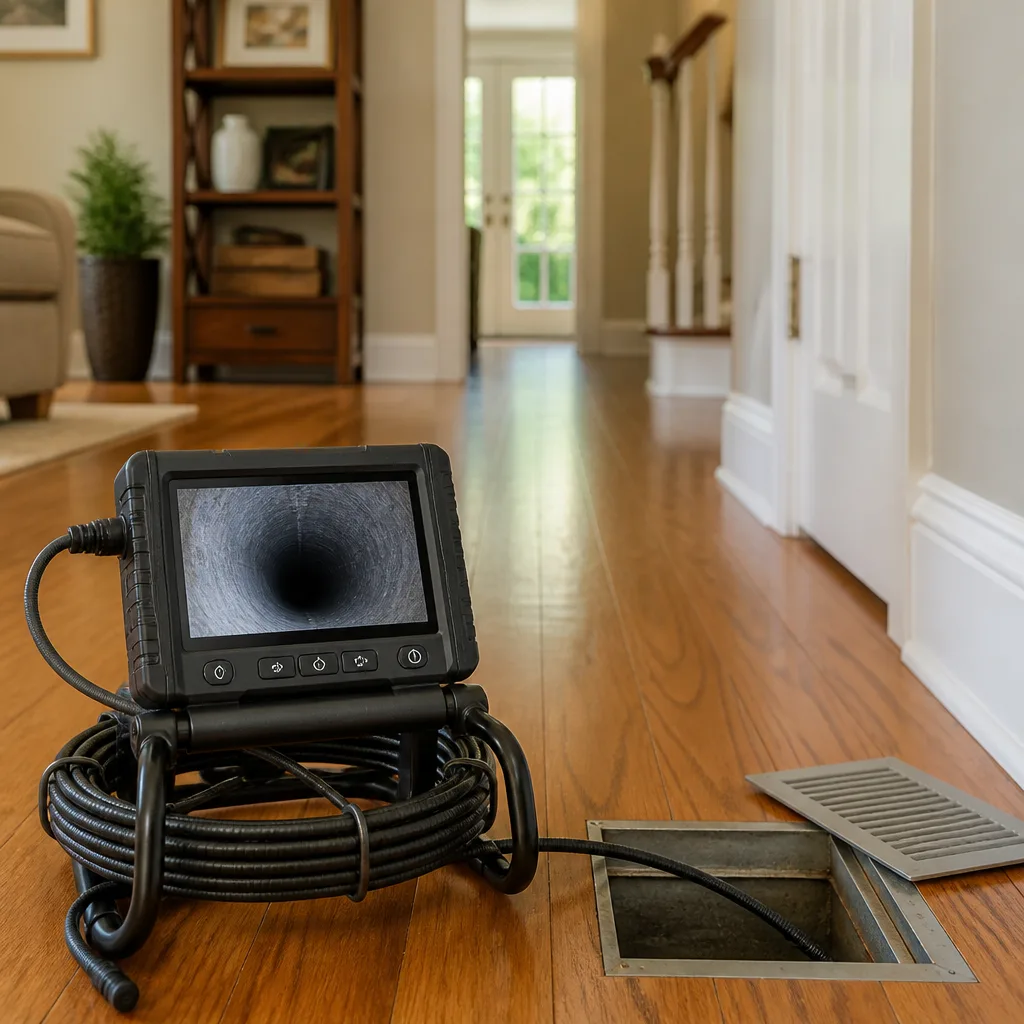 Camera inspection
 Sanitizing & deodorizing
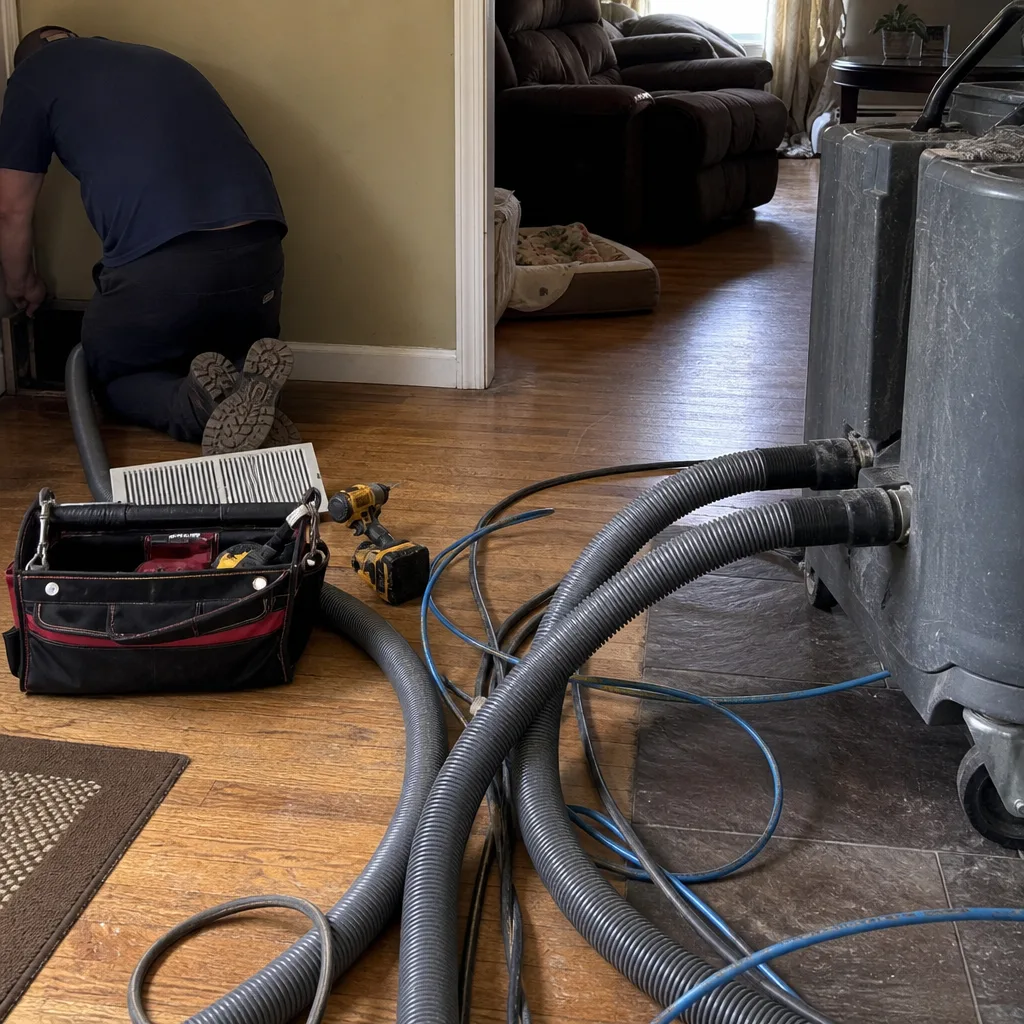
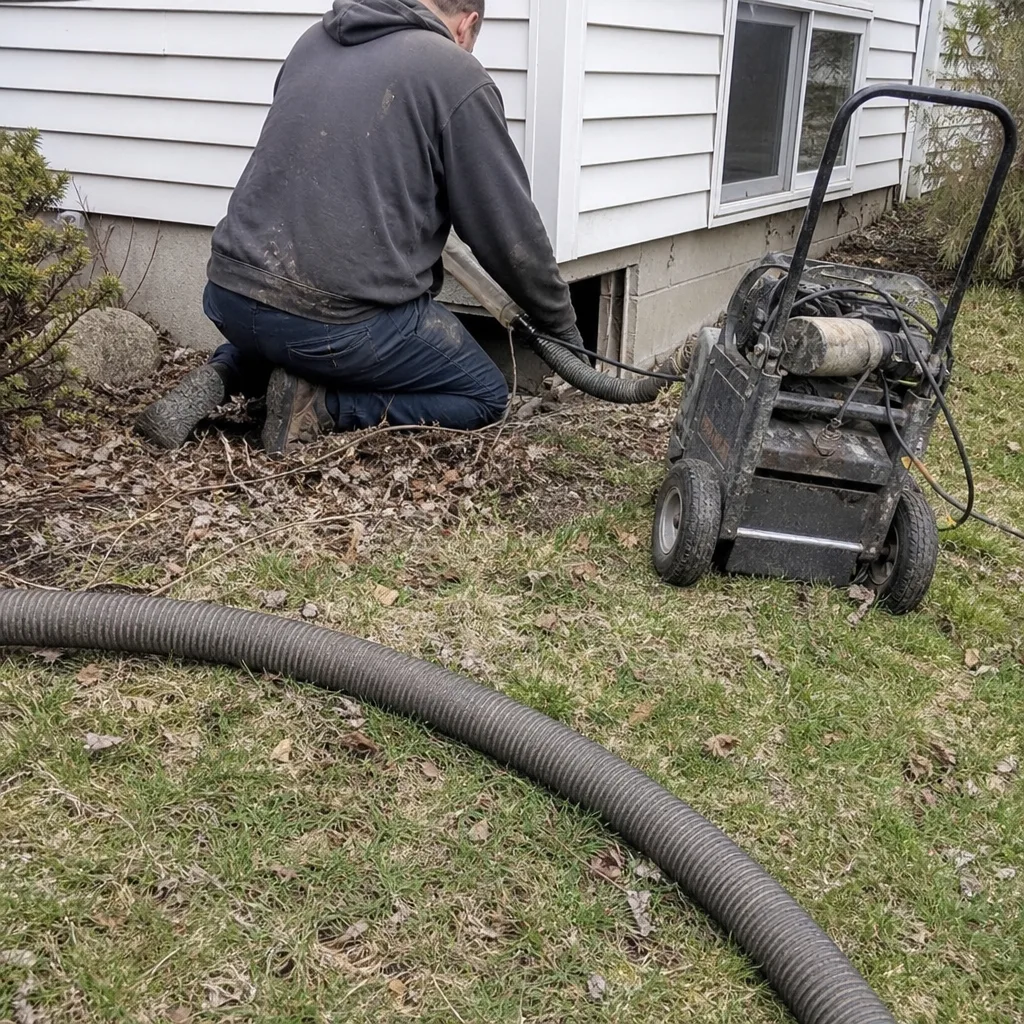
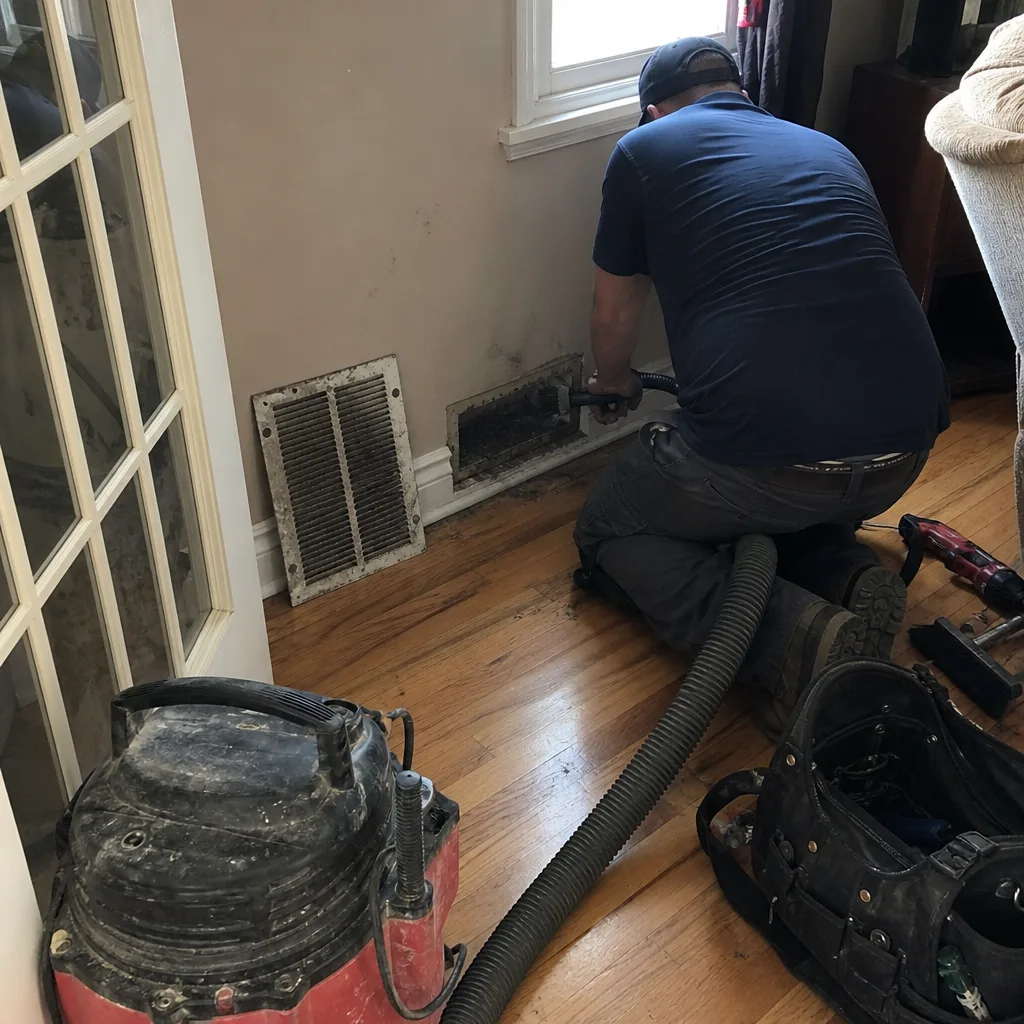
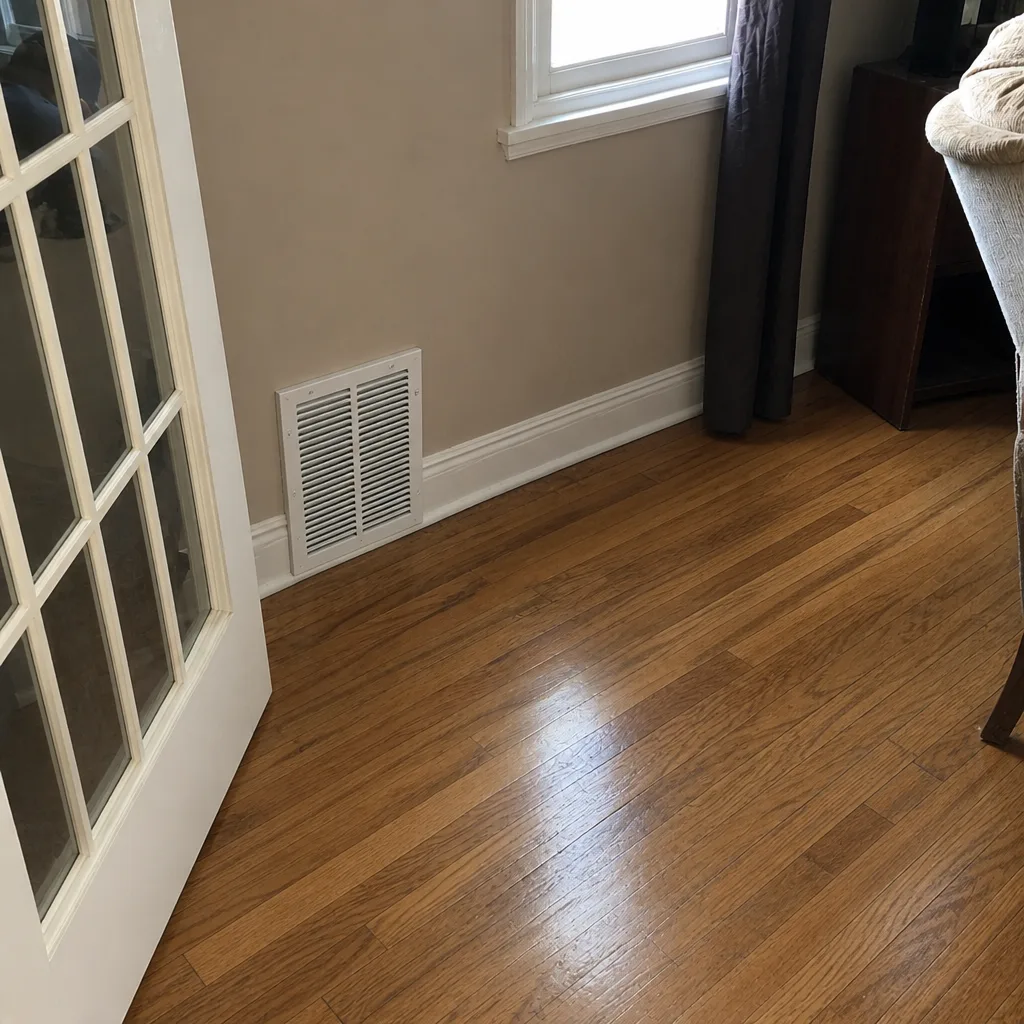
Whole-system duct and dryer vent check with before-and-after photos - you see exactly what came out of your vents
That "$99 whole-house special" is a bait ad - the real number appears once they are in your hallway, or the "clean" is a shop-vac at the register. We photograph the inside of your ducts before and after instead.
Air Duct Cleaning Permits, Codes & Inspections in Stapleton, NY: What You Need to Know
Most homeowners in Stapleton assume a permit is involved in every home improvement project, so they’re surprised to learn that air duct cleaning itself requires no permit in New York State. Here’s the counterintuitive part: the cleaning rarely triggers a permit, but the work that often follows the cleaning can. The moment a technician opens a duct and finds deteriorated liner, mold growth, or failing insulation, the job can shift from routine maintenance into regulated territory with real legal, insurance, and licensing consequences. This guide walks through where that line sits, what NYC codes apply to Staten Island homes, how energy code reviews get triggered, and how to verify a contractor’s insurance actually protects you. We’ll show you what to ask before anyone touches your system.
Quick Answer
Air duct cleaning itself is not a permitted activity in New York State, and no license is required to perform it. However, related work often is regulated: mold remediation inside ductwork falls under New York Labor Law Article 32 and requires a licensed mold remediation contractor, duct access panel installation in Stapleton and the rest of Staten Island must follow NYC Mechanical Code Section 607, and duct insulation replacement can trigger an energy code review under the NY Stretch Energy Code. The permit question depends entirely on which of these the job turns into.
Styles & brands we work with
- Whole-home duct cleaning
- Dryer vent cleaning
- Camera inspection
- Sanitizing & deodorizing
Table of Contents
- Does Air Duct Cleaning Require a Permit in Stapleton, NY?
- When Cleaning Becomes Mold Remediation Under Labor Law Article 32
- NYC Mechanical Code Section 607 and Duct Access in Stapleton Homes
- Duct Insulation Replacement and the NY Stretch Energy Code
- The Insurance Gap Most Homeowners Never See
- How to Verify a Contractor’s Certificate of Insurance
- What a Duct Inspection Actually Covers
- Common Mistakes to Avoid
- When to Call a Professional
Does Air Duct Cleaning Require a Permit in Stapleton, NY?
No. Air duct cleaning is not a permitted activity in New York State, and there is no state license required to clean ducts. A contractor arriving at your Stapleton home to remove dust, debris, and buildup from the supply and return runs is performing maintenance, not construction. No building permit, no inspection, no municipal sign-off.
That answer holds until the scope of work changes. Here’s what typically stays permit-free versus what crosses the line:
- Permit-free: Cleaning duct interiors, sanitizing surfaces, replacing filters, cleaning the blower and coils, cleaning dryer vents.
- Often permit-free but code-governed: Sealing accessible duct joints, installing access panels (see Section 607 below).
- Permit-triggering or license-triggering: Replacing duct insulation, rerouting duct runs, cutting into walls or framing to reach ductwork, and any mold remediation beyond a minimal threshold.
The confusion happens because “duct cleaning” is used loosely. A full-system service may include repair and sealing, and once you’re modifying the duct system in a way that affects its physical structure or thermal envelope, you’ve moved beyond cleaning. Staten Island sits under NYC jurisdiction, which means the NYC Construction Codes, Mechanical Code, and Energy Code apply to Stapleton homes the same way they would in Brooklyn or Queens. The permitting authority is the NYC Department of Buildings, not a separate Staten Island office. If the scope expands, the contractor should know which code layer applies.
Our technicians have up to 12 years of experience, and we’ve seen the confusion firsthand. The best defense is asking the contractor up front: “Is any part of this job beyond cleaning, and if so, what does that trigger?” A detailed answer tells you a lot. Call (877) 536-7311 with questions and we’ll walk through your situation.
When Cleaning Becomes Mold Remediation Under Labor Law Article 32
New York State regulates mold remediation separately from mold inspection and mold cleaning. The distinction is the one that catches homeowners off guard in Stapleton and across Staten Island. Under Article 32 of the New York Labor Law, mold remediation is a licensed activity. A general air duct cleaner without that license is not authorized to perform remediation, even if the mold is inside a duct run they were just cleaning.
So what separates cleaning from remediation? Roughly:
- Cleaning (not licensed): Removing surface dust and light, non-structural microbial growth using standard sanitizing treatment as part of routine duct maintenance.
- Remediation (licensed): Removing porous materials (fiberglass liner, flex duct, insulation) that have become mold-contaminated; treating structural or widespread growth; containing the work area; and following formal project documentation requirements.
The regulatory line matters most when the duct liner itself is affected. If a contractor opens a duct and finds mold that has penetrated the liner, the contaminant is bound to a porous material. That’s remediation territory. In our experience, this is exactly the moment where a quote can quietly expand from a cleaning number to something much larger, and where homeowners deserve a clear explanation.
The practical questions to ask when someone tells you there’s mold in your ducts:
- Is the contamination surface-level or has it penetrated the liner or insulation?
- If remediation is needed, does the company hold a current New York State mold remediation license, or would they subcontract it?
- Will the work be documented with a remediation plan and post-work verification?
- Does their insurance cover remediation work, not just cleaning?
A cleaning contractor doing remediation without a license creates two risks: an unlicensed-work exposure with the state, and a coverage question with the homeowner’s insurer if a claim follows. The information-gain point here is the sequencing. Good practice says: inspect, document, then decide. Our approach with Abatement Technologies contaminant-control capability supports that – the system is designed to support the scope that’s actually needed, not the scope that’s easiest to sell. See our air duct cleaning service page for what routine cleaning includes.
NYC Mechanical Code Section 607 and Duct Access in Stapleton Homes
NYC Mechanical Code Section 607 governs duct access, meaning the panels, hatches, and openings that allow a technician to actually reach inside the duct system. For Stapleton homeowners, this section matters because it defines what “reasonable access” means when a contractor says they need to install an access panel, and because it sets the standard any newly installed access has to meet.
Here’s the plain sense of it:
- Access must be provided to duct systems where maintenance is needed, in a way that keeps the system closed and sealed when not in use.
- Access openings need proper covers, gasketing, and re-sealing once work is done, so the duct stays airtight.
- Installing a new access panel in a finished ceiling or wall assembly can edge into construction work that requires a filing with NYC Department of Buildings, depending on the scope.
For a Stapleton home with a finished basement or a first-floor ceiling that hides the main supply trunk, access panels are common. The right way to handle it is to treat the panel as part of the duct-sealing job, not a hole cut and forgotten. If the duct leaks after the panel goes in, the cleaning created a new energy problem. We offer HVAC cleaning that includes the plenum and air handler, plus duct repair and sealing as a paired service, so the access and the seal are addressed together.
The code itself doesn’t apply a permit requirement to every access panel. It applies a code standard to how access is built and closed. That’s a distinction worth understanding before signing off: ask the contractor whether the panel will be installed to code, not just installed.
Duct Insulation Replacement and the NY Stretch Energy Code
Replacing duct insulation in Stapleton homes is not simple maintenance. It can trigger an energy code review under the New York State Stretch Energy Code, the stringent tier the state adopted for jurisdictions that opted into it. New York City has adopted the 2020 Energy Conservation Construction Code with stretch provisions, and the practical consequence is that insulation replacement in a duct system may be reviewed against prescriptive or performance standards for thermal resistance and duct leakage.
What that means in plain terms:
- Insulation has a required standard. Duct insulation in unconditioned or semi-conditioned spaces is regulated for thermal resistance. The contractor should specify the product and the R-value against the applicable code, not just “insulation.”
- Duct leakage is measured. New or replaced ductwork in some cases requires leakage testing to demonstrate the system meets a defined tightness target.
- Permits may be required. Whether a given insulation replacement requires a filing with NYC Department of Buildings depends on the scope and the assembly involved. That’s a question for the contractor or the DOB directly.
Why should a Stapleton homeowner care? Because a duct cleaning that reveals deteriorated insulation is the exact point where a well-meaning contractor might say “we’ll just re-wrap it” without addressing the code. That shortcut costs the homeowner twice: energy performance dips back down, and any future sale inspection or renovation can surface the unpermitted work.
The clean answer: when the scope includes insulation replacement, ask for the product specification, the R-value being installed, and whether the work is permit-filed if required. Our dryer vent cleaning and duct repair work is scheduled around the same inspection standards because the thermal envelope and the duct system aren’t separate concerns. One full-system provider handles diagnosis, cleaning, repair, and sealing without handoffs.
The Insurance Gap Most Homeowners Never See
The largest financial exposure in duct work isn’t the cleaning bill. It’s what happens when the contractor damages the system and their insurance doesn’t cover it. New York State requires general liability coverage for contractors, but “general liability” on a certificate is not the same as coverage for duct work specifically.
The common gap involves two separate coverage endorsements:
- Property damage coverage. Covers damage to your home during the work, such as a torn flex liner, a punctured supply trunk, or water damage from cleaning equipment.
- Completed operations coverage. Covers the work itself after the contractor leaves, if a defect they introduced causes damage later – for example, a sealed joint that fails and causes moisture intrusion months down the road.
A certificate of insurance can list general liability without listing completed operations for the specific work classification. Many homeowners in Stapleton read “general liability” and assume full coverage. It’s the equivalent of assuming a policy covers mold remediation when the mold license isn’t on file. The two issues sit side by side, and both are prevented the same way: verify the paperwork before the work starts.
Our guidance to Stapleton homeowners on strict insurance review: ask every contractor for the certificate, then ask them to confirm both categories in writing. A contractor who’s comfortable with the question usually carries the coverage. A contractor who isn’t is telling you something useful.
How to Verify a Contractor’s Certificate of Insurance
A certificate of insurance (COI) is a two-page document your contractor’s insurer issues. It is not a contract and it’s not a guarantee, but it’s the first step in verifying that coverage exists. Here’s the sequence we recommend for every Stapleton homeowner hiring for any duct work:
- Request the COI before the estimate is scheduled. Legitimate contractors provide it on request. The certificate should name the contractor’s legal business name, not just a trade name.
- Check the coverage types. Look for general liability and, where applicable, workers’ compensation. Note the policy effective dates – a COI expiring before the work date leaves you uncovered.
- Confirm the coverage classification actually matches duct work. Insurance carriers classify work by type. Duct cleaning, HVAC work, and remediation may sit under different classifications. Ask the contractor to confirm the classification includes the specific job you’re hiring for.
- Confirm completed operations coverage. This is the “work performed after the job” layer. If your COI doesn’t mention it, ask directly.
- Verify directly with the insurer if the job is significant. Call the phone number on the certificate (not the contractor’s number) and confirm the policy is active and covers the classifications listed.
- Keep a copy. If a dispute arises later, the date-stamped certificate and the coverage confirmation are your documentation.
What this doesn’t replace: careful review of the scope of work. Insurance protects against loss; it doesn’t define quality. And what to expect from a company that’s comfortable with the process is a plain answer. Our technicians have up to 12 years of experience and we walk through the paperwork without drama. For a broader look at what we handle in Stapleton, visit the Air Duct Cleaning Stapleton home page.
What a Duct Inspection Actually Covers
An inspection is not the same as a cleaning. An inspection is a documented look at the state of the system: what’s inside the ducts, how the ducts are constructed, whether the liner or insulation is intact, whether there are leaks, and whether contamination is surface-level or bound to porous material. It’s the step that decides everything else.
What a credible inspection includes:
- Before photos of duct interiors at multiple points, including the main trunk, branches, and air handler.
- A written or photo-documented report of conditions found, ranked by severity.
- Explicit identification of any condition that would shift the job into remediation or permit territory.
- A clear scope recommendation that separates cleaning from repair from sealing from remediation.
What it should not include is a verbal “you need a full cleaning” without documentation. Our professional-grade Rotobrush and Nikro systems produce before-and-after photos as part of the process, because when you can see the inside of your ducts, you don’t have to trust a description.
During the inspection, three questions should be answered:
- Is there contamination bound to porous material, and if so, does remediation apply?
- Is there any repair or sealing required to the duct structure itself?
- Does any of the recommended work cross a permit, license, or energy code threshold?
If the answers come back “no, cleaning is sufficient,” the job stays simple. If any answer is “yes,” the job’s scope has changed, and the rest of this guide applies. Inspections cost nothing when they come with a free estimate, and they’re the reason a duct cleaning estimate can be exactly the number you were quoted.
Common Mistakes to Avoid
- Assuming cleaning requires a permit, then skipping the real questions. Homeowners who fixate on the permit issue often miss the two that matter more in Stapleton: insurance verification and the cleaning-versus-remediation line. No permit is required for cleaning, but the insurance and licensing layers absolutely apply to related work.
- Accepting “fully insured” as an answer without the certificate. Every contractor in New York can say they’re insured; not every certificate lists completed operations for duct work. Ask for the document and confirm both coverage categories in writing.
- Letting a cleaning-only contractor “handle” mold found during the job. If the contractor opens a duct and finds liner-bound mold, they cannot legally perform remediation without a New York mold remediation license under Labor Law Article 32. Ask what the plan is before the work starts.
- Skipping access panel code compliance. Stapleton homes with finished ceilings often need access panels installed. Panels that aren’t sealed to NYC Mechanical Code Section 607 standard leak air and undercut the cleaning. Ask whether the seal will meet code.
- Treating insulation replacement as “just re-wrap.” Duct insulation has an energy code standard under the NY Stretch Energy Code, and replacement may require a permit filing. A contractor who doesn’t mention the R-value or the permit question is giving you an incomplete scope.
- Paying for cleaning when the real fix is duct repair and sealing. Clean ducts start dirty again fast if the system leaks. The root cause has to be addressed along with the cleaning, or you’ll be booking another service the following year.
- Assuming a Staten Island job is exempt from NYC codes because it’s not Manhattan. Stapleton is under NYC jurisdiction. NYC Mechanical Code and NYC Construction Codes apply the same way here, and the permitting authority is the NYC Department of Buildings.
When to Call a Professional
Call a professional when the work involves more than routine cleaning, when the ducts haven’t been inspected, or when the contractor’s insurance and licensing don’t clearly cover the scope. Specific situations that should trigger a call to a trained technician at your door rather than a DIY attempt:
- You’ve noticed mold inside a duct or on a register, and you’re unsure whether it’s surface-level or bound to the liner.
- A prior cleaning left an access panel that doesn’t seal properly, or the ducts leak air after a service.
- You’re considering insulation replacement and need to know whether it triggers a permit under the NY Stretch Energy Code.
- Your HVAC is rattling, delivering weak airflow, or short-cycling and you’re unsure whether the duct system is at fault.
- You’re concerned about a contractor’s insurance coverage but don’t want to navigate the certificate alone.
Air Duct Cleaning Stapleton offers free estimates in Stapleton. Call (877) 536-7311. We answer 24/7. Fast dispatch from 7am to 7pm, Sunday through Friday.
See the difference
 Before
 After
 Before
 After
 Before
 After
Frequently Asked Questions
No, air duct cleaning itself is not a permitted activity in New York State, and no license is required to clean ducts. However, related work does trigger permits and licensing: mold remediation requires a New York State license under Labor Law Article 32, duct insulation replacement may require a filing with NYC Department of Buildings under the NY Stretch Energy Code, and any structural duct modification falls under NYC Construction Codes. Call (877) 536-7311 to confirm what applies to your Stapleton home – estimates are free.
Duct cleaning removes surface dust, debris, and non-structural growth as routine maintenance. Remediation removes contamination bound to porous materials like fiberglass liner or flex duct, and in New York requires a mold remediation license under Article 32. If a contractor opens your duct and finds liner-bound mold, the job has changed from cleaning to remediation, and they should either hold that license or subcontract to a licensed remediation contractor. Call (877) 536-7311 for a free estimate on a system-wide inspection.
Yes. Stapleton is under NYC jurisdiction, so NYC Mechanical Code Section 607 applies to duct access work in Staten Island homes. The section governs how access panels are installed, how they’re sealed, and what “reasonable access” means when work is performed. Any newly installed access panel should meet the code, and it should be re-sealed airtight when the job is done. If you’ve had duct work that left a panel unsealed, call (877) 536-7311 for an inspection.
Verify two coverage categories: property damage coverage, which protects your home during the job, and completed operations coverage, which protects the work itself after the contractor leaves. A certificate of insurance that lists general liability without naming completed operations for the specific duct work classification may leave you uncovered in a defect claim. Ask for the certificate, confirm the effective dates, and call the insurer directly if the job is significant. Call (877) 536-7311 to discuss what our Stapleton service documents – estimates are free.
Pricing varies by system size, number of vents, and accessory work, so a written estimate is the only reliable figure. Air Duct Cleaning Stapleton sets one flat price per system, agreed before work starts, so there’s no per-vent surprise once the technician is on site. Our technicians have up to 12 years of experience and every job includes before-and-after photos of your own ducts. Call (877) 536-7311 for an exact quote – estimates are free.
Replacing duct insulation in Stapleton homes can trigger an energy code review under the NY Stretch Energy Code, because duct insulation in unconditioned spaces has a regulated thermal standard and some replacements require leakage testing. Whether a specific replacement requires a permit filing with NYC Department of Buildings depends on the scope and assembly involved. Ask your contractor for the product specification, the R-value being installed, and whether the work requires a filing. Call (877) 536-7311 with questions – estimates are free.
The Bottom Line
Air duct cleaning does not require a permit in Stapleton, NY, but the surrounding work does. Mold remediation requires a New York State license under Labor Law Article 32 and can’t legally be handled by a cleaning-only contractor. Access panels must follow NYC Mechanical Code Section 607. Insulation replacement can trigger an energy code review under the NY Stretch Energy Code. And insurance coverage must include both property damage and completed operations for duct work specifically. When you’re ready to schedule, call (877) 536-7311. We answer 24/7. Fast dispatch from 7am to 7pm, Sunday through Friday.
Written by the team at Air Duct Cleaning Stapleton.