
Last updated November 24, 2026
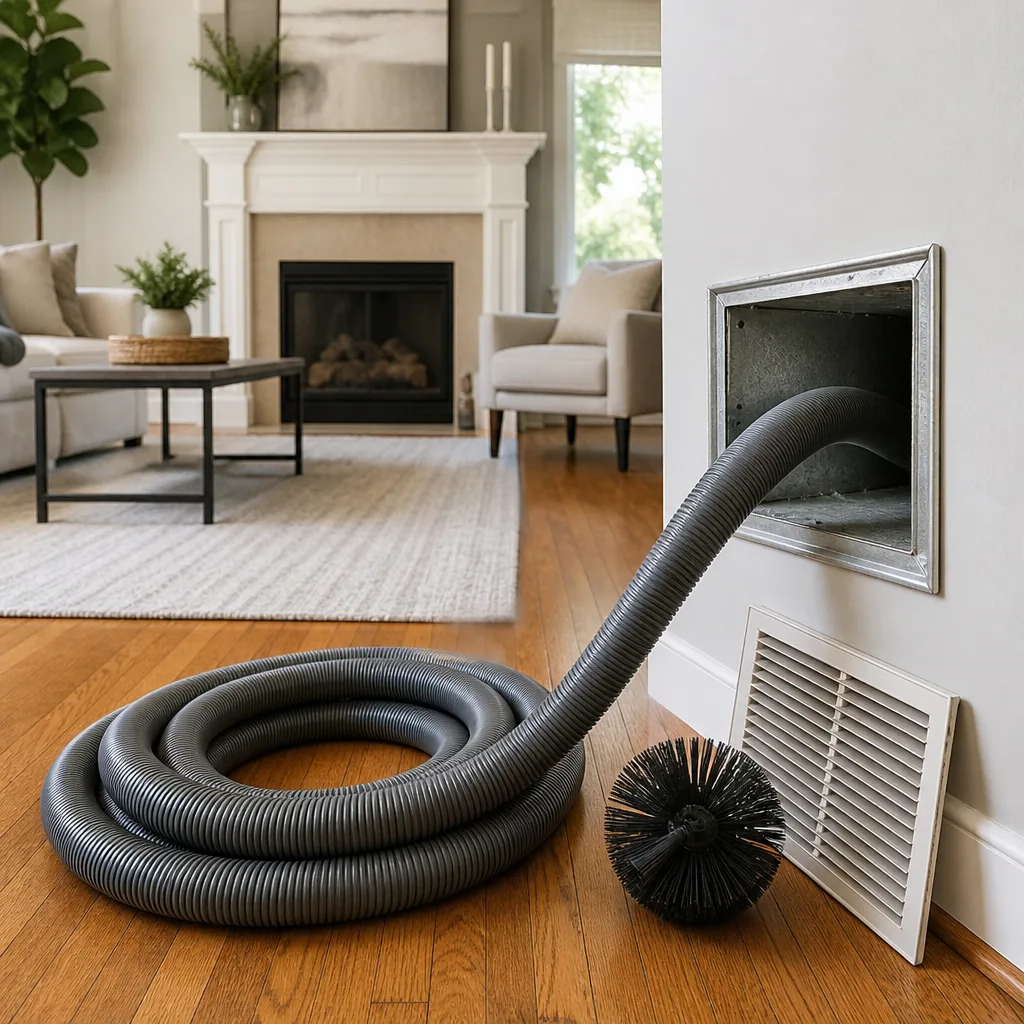 Whole-home duct cleaning
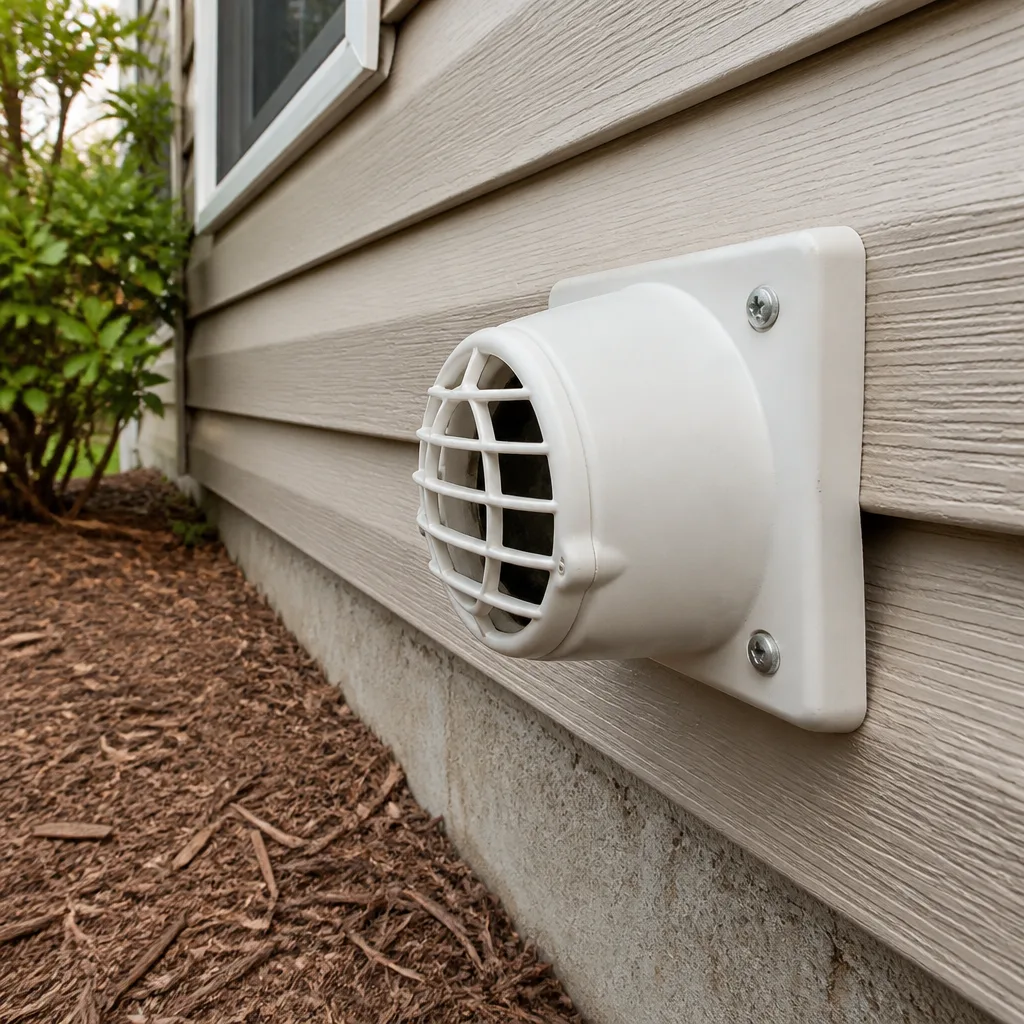 Dryer vent cleaning
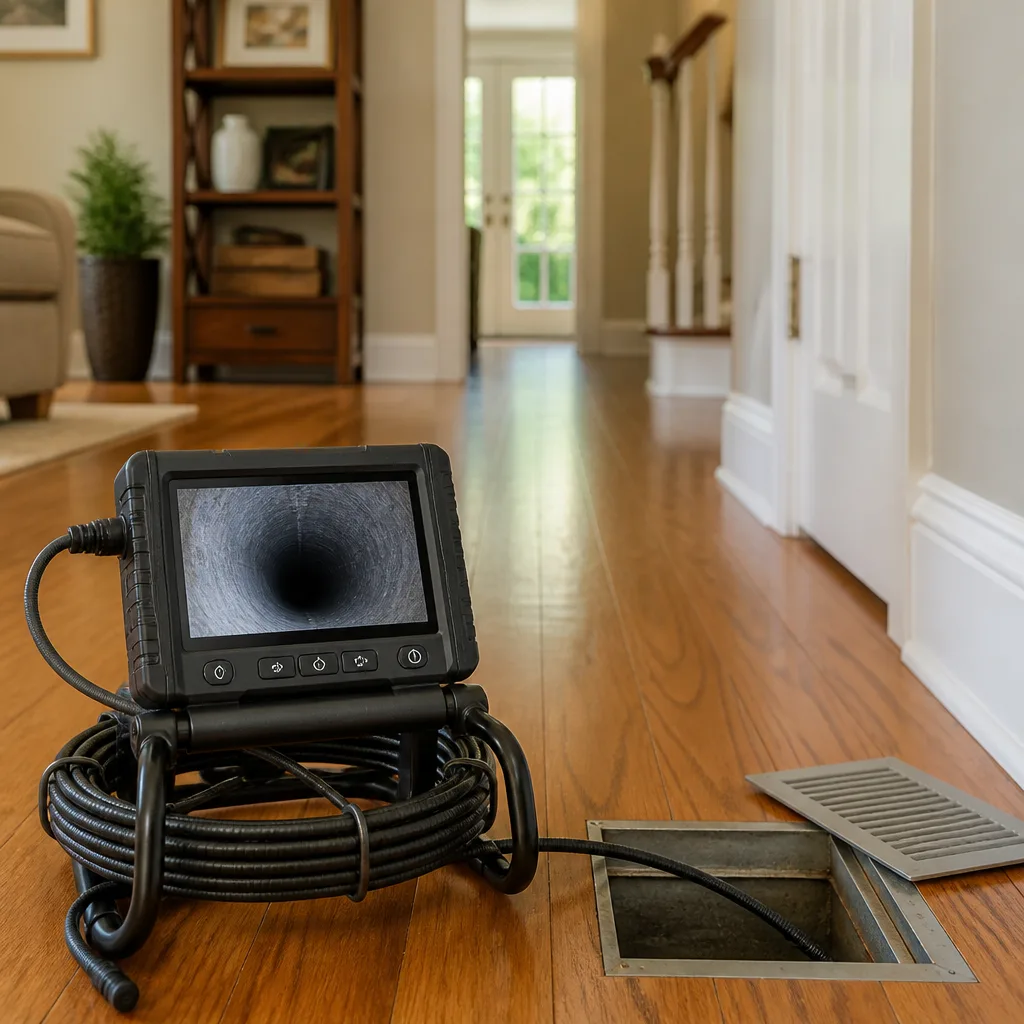 Camera inspection
 Sanitizing & deodorizing
Whole-system duct and dryer vent check with before-and-after photos - you see exactly what came out of your vents
That "$99 whole-house special" is a bait ad - the real number appears once they are in your hallway, or the "clean" is a shop-vac at the register. We photograph the inside of your ducts before and after instead.
DIY vs Professional Air Duct Cleaning: The Stapleton Homeowner’s Decision Guide
A shop-vac and a dryer vent brush can clean the first 18 inches of a supply duct. That’s roughly 8% of a typical duct run, and 0% of the air handler, evaporator coil, or return plenum where most of the contamination in a Stapleton home actually sits. The rest of the system needs something a rented vacuum can’t produce: sustained, measured negative pressure strong enough to pull debris out rather than stir it loose. This guide explains the equipment physics behind that gap, what you can safely do yourself in a Stapleton house, and how to decide which side of the line your home falls on.
Quick Answer
In most Stapleton homes, DIY air duct cleaning is worth doing for register cleaning, filter swaps, and vacuuming an accessible return box, but it can’t reach the contamination that matters. Professional cleaning wins because professional-grade equipment (we run Rotobrush and Nikro systems) generates the airflow and negative pressure needed to extract deep debris without redistributing it into the living space. If your ducts show visible buildup, musty odors, or recent renovation dust, hire it out.
Styles & brands we work with
- Whole-home duct cleaning
- Dryer vent cleaning
- Camera inspection
- Sanitizing & deodorizing
Table of Contents
- Why Equipment Physics Decides This Question
- CFM, Static Pressure, and What Your Shop-Vac Can’t Do
- What You Can Legitimately Do Yourself
- When DIY Makes Things Worse
- Warranty and Liability: The Hidden Risk of DIY
- A Decision Framework for Stapleton Homes
- What Professional Equipment Actually Does
- How to Prepare for a Professional Cleaning
Why Equipment Physics Decides This Question
The DIY vs professional question for air duct cleaning isn’t really about skill. It’s about whether the tool can generate enough negative pressure to lift debris from where it’s settled and carry it out of the system. That’s physics, not craft. A homeowner with a shop-vac and good intentions can’t change the numbers.
Ductwork in a Stapleton home is a low-pressure system. Dust, pet hair, construction fines, and biological growth accumulate along the duct floor and inside the air handler plenum where airflow slows. To remove that debris, you need to put the whole system under negative pressure while agitating the surfaces, so loosened material flows toward a collection point instead of drifting into the rooms you live in. Professional truck-mounted and high-capacity portable units are built for exactly that combination.
Our technicians have up to 12 years of experience, and the first thing we check is whether the extraction setup is actually matched to the duct volume. An undersized vacuum run on a long duct network creates turbulence without extraction. That means debris gets stirred into the air and reappears elsewhere. For a full walkthrough of the professional process, see our air duct cleaning service page.
CFM, Static Pressure, and What Your Shop-Vac Can’t Do
Two numbers decide whether debris leaves the duct or just moves around inside it: airflow measured in cubic feet per minute (CFM), and static pressure measured in inches of water column. A typical homeowner shop-vac moves air in the range of 100 to 200 CFM, and that figure drops rapidly as static pressure rises. Push that vacuum down a long trunk line, and the effective suction at the far registers is a fraction of what the sticker promises.
Professional duct cleaning setups are built for sustained high-volume extraction under load, paired with rotary agitation tools that brush the duct walls without tearing them. The two work together:
- Agitation frees debris stuck to duct surfaces and liner edges.
- Extraction under negative pressure pulls that debris toward the collection point while the system stays sealed.
- Containment keeps dislodged particles from drifting into the living space during the job.
Rotobrush and Nikro equipment exist specifically for that combination. Downstream, we work with Abatement Technologies filtration and containment gear when contamination levels need tighter control. That matters more in Stapleton homes with recent renovation dust, pet dander, or visible growth inside a plenum.
One number to hold onto: if the tool can’t sustain its CFM as static pressure climbs through the run, it isn’t cleaning, it’s stirring. That’s the physics gap the DIY question keeps running into.
What You Can Legitimately Do Yourself
Plenty of duct-related maintenance is genuinely within reach for a careful homeowner. This part of the page is honest about that, because a homeowner who understands the limits does a better job of deciding when to call. When done right, these tasks extend the time between professional cleanings and keep the system running efficiently.
- Replace the filter on schedule. A clogged filter strains the blower and reduces airflow throughout the house. Use the size and rating the equipment calls for, and note the date so you don’t drift.
- Clean the supply registers and return grilles. Remove the grilles, wash them in warm soapy water, dry them fully, and wipe the frame. This is surface cleaning, but it’s the most visible layer of dust in most rooms.
- Vacuum an accessible return box. If a return has a serviceable panel and the box is shallow, a shop-vac with a brush attachment can lift loose dust from the floor of the box. Don’t reach past what you can see.
- Do a visual inspection. A flashlight and a phone camera pointed into a register can tell you a lot. Look for dark staining, visible matting, musty odor, or loose liner. Document what you see.
- Keep the area around the air handler clear. Water intrusion, pest activity, and stored items near the unit all affect indoor air quality and often show up as duct problems.
What you should not do on your own: open the air handler cabinet, remove the blower, or attempt coil cleaning. Those components carry electrical and refrigerant hazards and need a trained technician.
When DIY Makes Things Worse
Some DIY interventions are neutral. Some actively harm the system. The failing pattern is the same each time: agitation happens without adequate extraction, or a household product is applied to a surface that can’t survive it.
- Brushing without extraction. Loosening debris with a brush on a flexible rod without a sealed vacuum running creates an aerosol of dust and fiber that settles everywhere in the house, including inside bedrooms.
- Household disinfectants sprayed into ducts. Many contain solvents that degrade flex duct liner, mastic, or sealant. Some leave a persistent odor that becomes its own airborne irritant. Sanitizing is a separate step with the right product for the material, and professional treatments (we use Guardsman-backed options) are formulated for duct surfaces.
- Shop-vac runs on long duct networks. The vacuum pulls air but can’t move the weight of debris at the far end. On plenum and trunk runs, that can push settled material deeper into branches.
- Improvised rod tools inside flex duct. Flex duct has a thin interior liner. A stiff rod or rough brush tears it. Once torn, the liner catches debris and the duct has to be replaced, not cleaned.
- Reaching into the air handler. Coil fins are fragile, and the cabinet contains live electrical components. A bent fin reduces system capacity; contact with line voltage is far worse.
The pattern is worth remembering: DIY duct work fails when it agitates material it can’t extract, or reaches surfaces it wasn’t built to handle.
Warranty and Liability: The Hidden Risk of DIY
Most HVAC equipment warranties include language about service and installation being performed by qualified technicians. What that means in practice is that a homeowner who modifies or opens the system – removing panels, tampering with the blower, or working inside the coil cabinet – can find that a future warranty claim on those components is denied. That’s the liability angle nobody mentions in DIY tutorials.
Physical damage is the other half. Flex duct tears from a rough rod. Sealant applied incorrectly creates a gap rather than closing one. A shop-vac attachment left inside a duct can block airflow entirely. Each of those turns a free maintenance project into a paid repair.
The good news: routine maintenance (filter changes, register cleaning, exterior inspection) doesn’t trigger any of that. It’s the deep work, the work inside the air handler and the sealed duct run, where the risk concentrates. If you’re unsure which category a task falls into, have a professional look first. A visual inspection is cheap compared to a duct repair. Our HVAC cleaning service covers the components that sit outside a homeowner’s safe reach.
A Decision Framework for Stapleton Homes
Rather than a single rule, use a decision framework based on four factors: home age, system type, contamination trigger, and health sensitivity. Run through each in order.
- Home age. Older Stapleton houses often have a mix of duct materials and, sometimes, decades of accumulated dust along the duct floor. Newer construction tends to have construction debris in the first years. Both cases lean professional.
- System type. Flex duct systems are easier to damage, so DIY should stay at the register level. Rigid metal or ductboard systems tolerate more, but still need proper extraction to avoid redistribution.
- Contamination trigger. Was there a recent renovation, water intrusion, pest activity, or a filter that went uncleaned for a long stretch? Each of those is a signal that professional equipment is indicated. Routine dust in a well-maintained home can stay on the DIY side longer.
- Health sensitivity. Homes with asthma, allergy, or young children in the house benefit most from full-system cleaning. Agitating debris without extracting it in those households is a real risk, not a theoretical one.
Add one local layer: Stapleton winters mean the furnace runs for long stretches, so dust accumulates faster than in a mild climate. That shortens the interval between professional cleanings compared to warmer markets, and it means a spring or fall clean-out is a reasonable planning habit here.
What Professional Equipment Actually Does
Professional duct cleaning isn’t a bigger shop-vac. It’s a coordinated process that treats the air system as one unit, from the return grilles to the air handler to the supply trunks and branches. Here’s what that looks like in a Stapleton home.
We set up negative pressure at the system’s collection point and seal the trunk openings. Rotary agitation tools then travel the duct runs, brushing the interior without damaging the liner. Contamination is contained during the job, so loosened debris doesn’t drift back into the rooms. Air quality products like Honeywell and Aprilaire filtration and IAQ systems can be part of the visit if a filter upgrade is part of the goal.
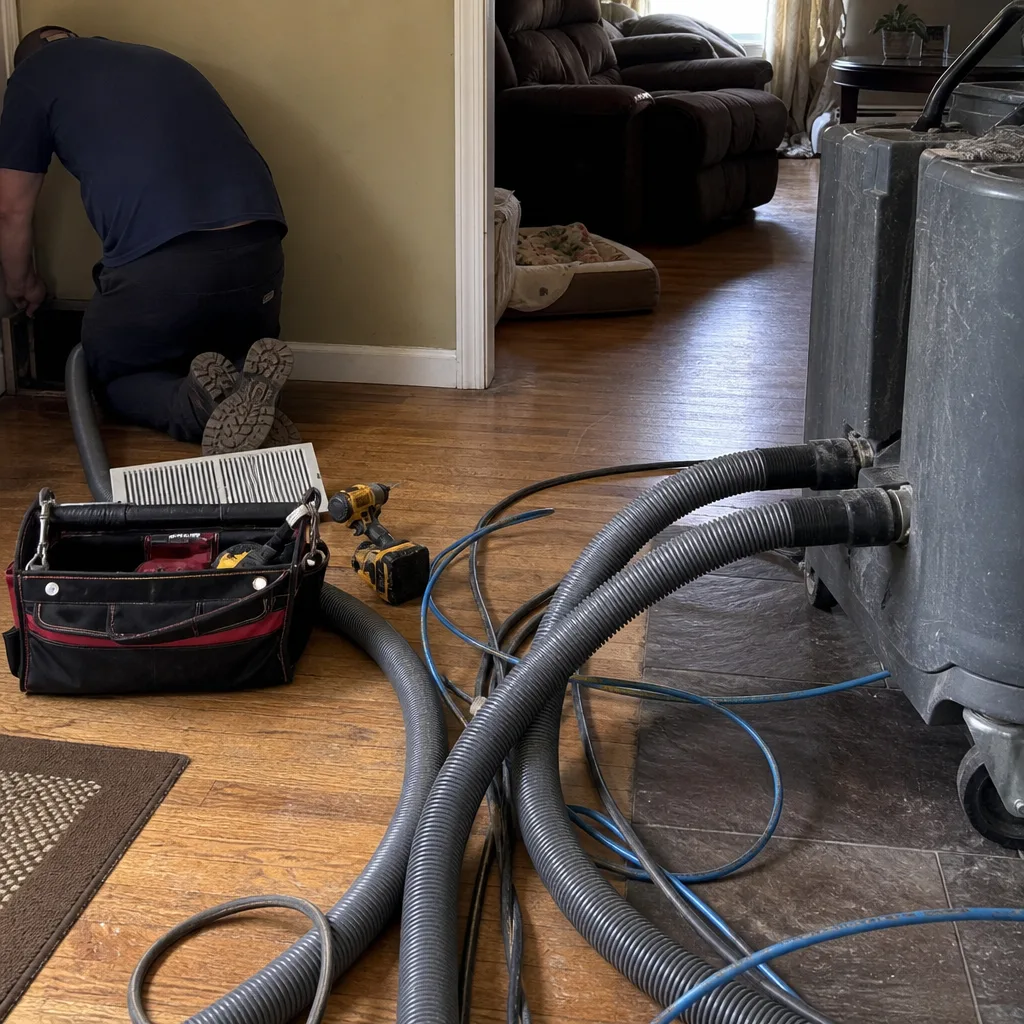
Two things separate that process from a rented vacuum. First, the equipment can sustain extraction at the static pressures present in a real duct network. Second, the operator can see the result. Before-and-after photos inside the duct should be standard, not optional. A proper cleaning team shows you the duct before work starts and shows you again after.
We also handle dryer vent cleaning, which matters for many Stapleton homes because the laundry system lives close to the mechanical space and lint accumulation is a separate fire concern. And because we handle repair and sealing alongside cleaning, we can fix the leaky joint or disconnected branch that let debris in to begin with.
How to Prepare for a Professional Cleaning
Preparation makes the visit more productive and the result easier to verify. It’s not a lot of work, and it’s worth doing.
- Note the issues you’ve observed. Musty smell in a particular room. Dust on a specific register. A recent renovation. Write it down so the technician can focus their inspection.
- Clear access to the air handler and return panels. Move boxes and storage away from the mechanical closet, and confirm the technician can reach the equipment without obstruction.
- Plan to be home for the walkthrough. The most useful five minutes of the visit are the before-photos and the description of what the technician finds. You want to be there for that.
- Ask about the price before work starts. A written estimate should set the price for the system as a whole, not per vent or per branch. Ask for it before any tools come off the truck.
- Ask to see the after-photos. A professional crew documents the result. If someone can’t show you the duct after the job, ask why.
Between visits, keep filter changes on a schedule and clean the register grilles twice a year. That’s the DIY layer that meaningfully extends the interval between full cleanings.
Common Mistakes to Avoid
- Renting a shop-vac and calling it duct cleaning. It cleans the first feet of a duct run and nothing else. The air handler, coil, and return plenum hold the contamination that produces odors and allergy symptoms.
- Spraying household disinfectants into ducts. Products designed for countertops can degrade flex duct liner and mastic. Sanitizing requires a product formulated for duct surfaces and a technician who knows the material.
- Ignoring winter dust buildup. Stapleton’s long heating season means the furnace moves a lot of air through the same ducts for months. Skipping filter changes and inspections through that stretch lets debris consolidate along the duct floor.
- Choosing on price alone. A very low quote sometimes means no negative pressure setup, no containment, and no documentation. You pay for the equipment, not the promise, so ask what the crew actually uses.
- Opening the air handler cabinet to “look inside.” Coil fins bend easily, and the cabinet contains live electrical components. Visual inspection at a register is fine; going into the cabinet is not.
- Skipping the dryer vent. It’s a separate audit from the HVAC ducts, and it matters for safety as much as efficiency. Lint clogging restricts airflow and adds fire risk.
- Assuming the “after” check is optional. If you don’t see photos of the duct interior before and after, you have no easy way to know what was actually removed.
See the difference
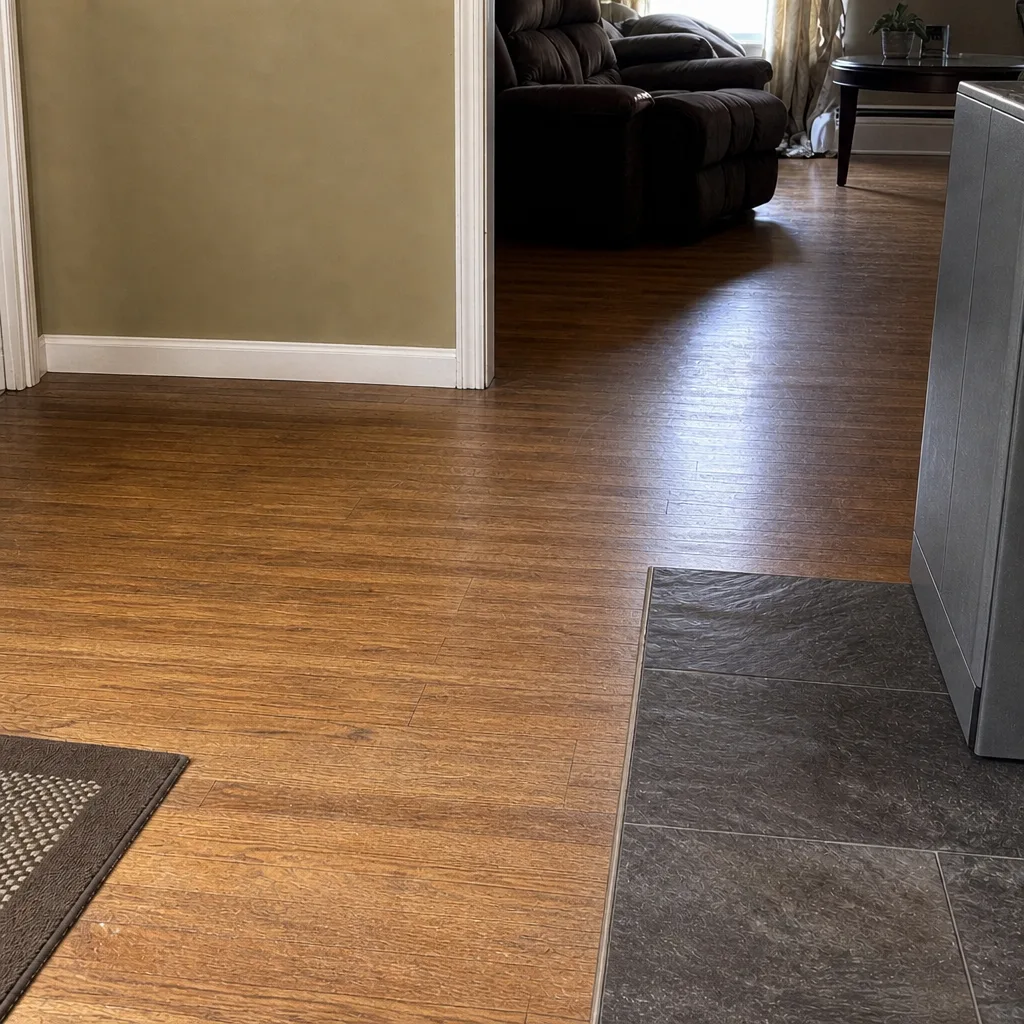
 Before
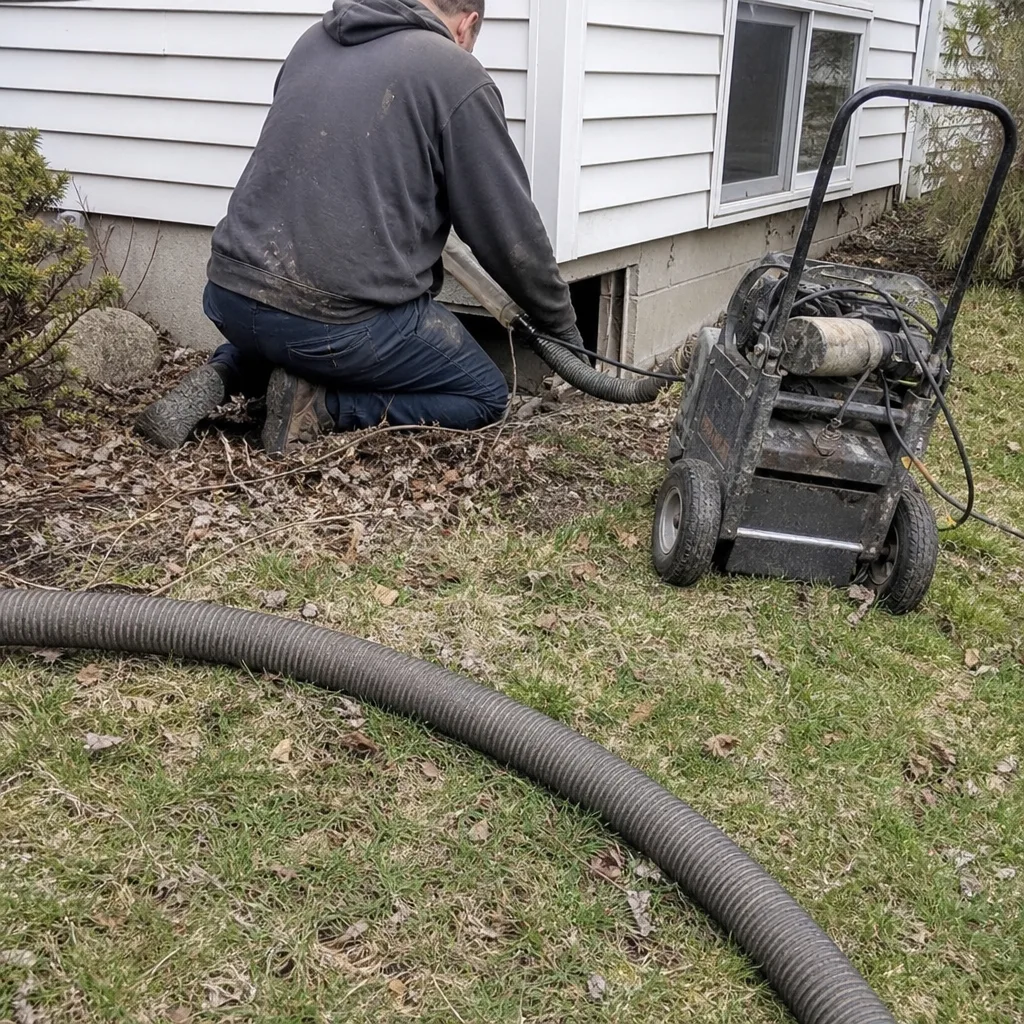
 After
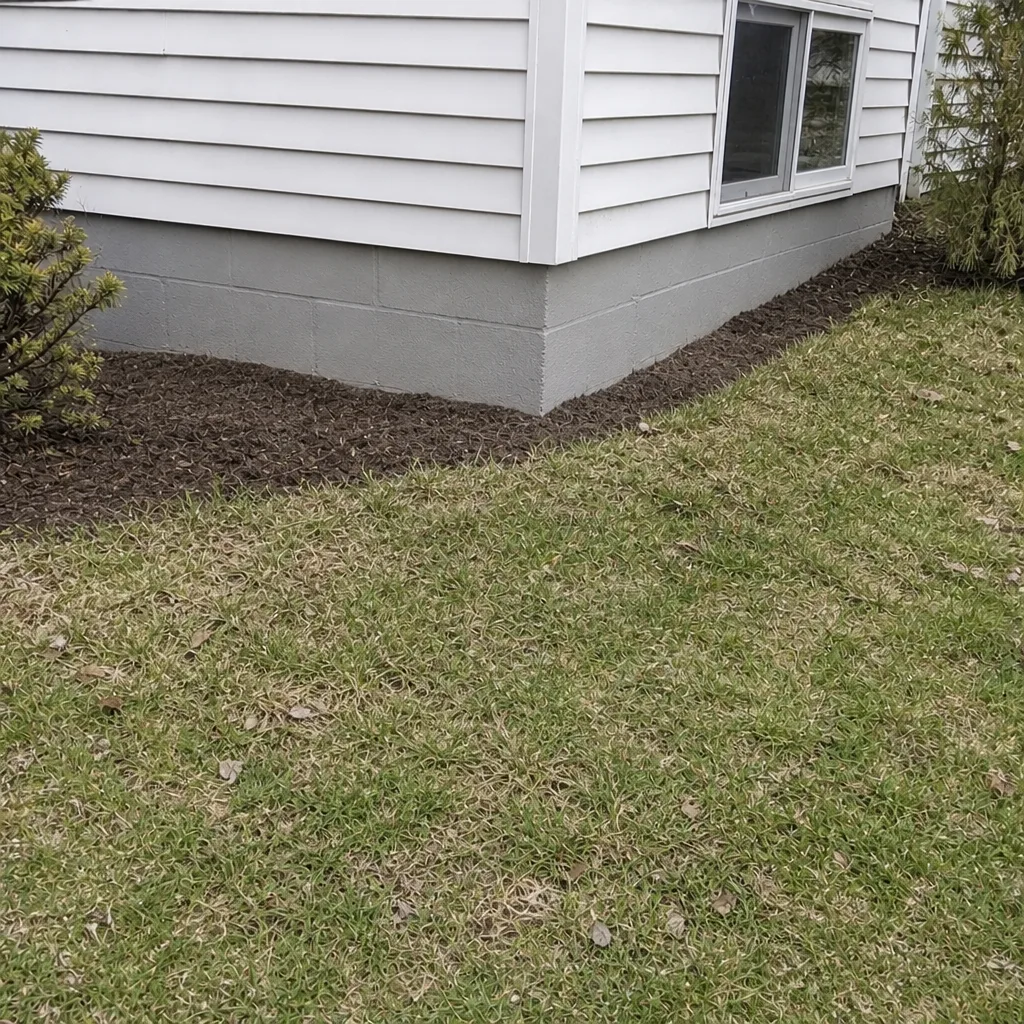
 Before
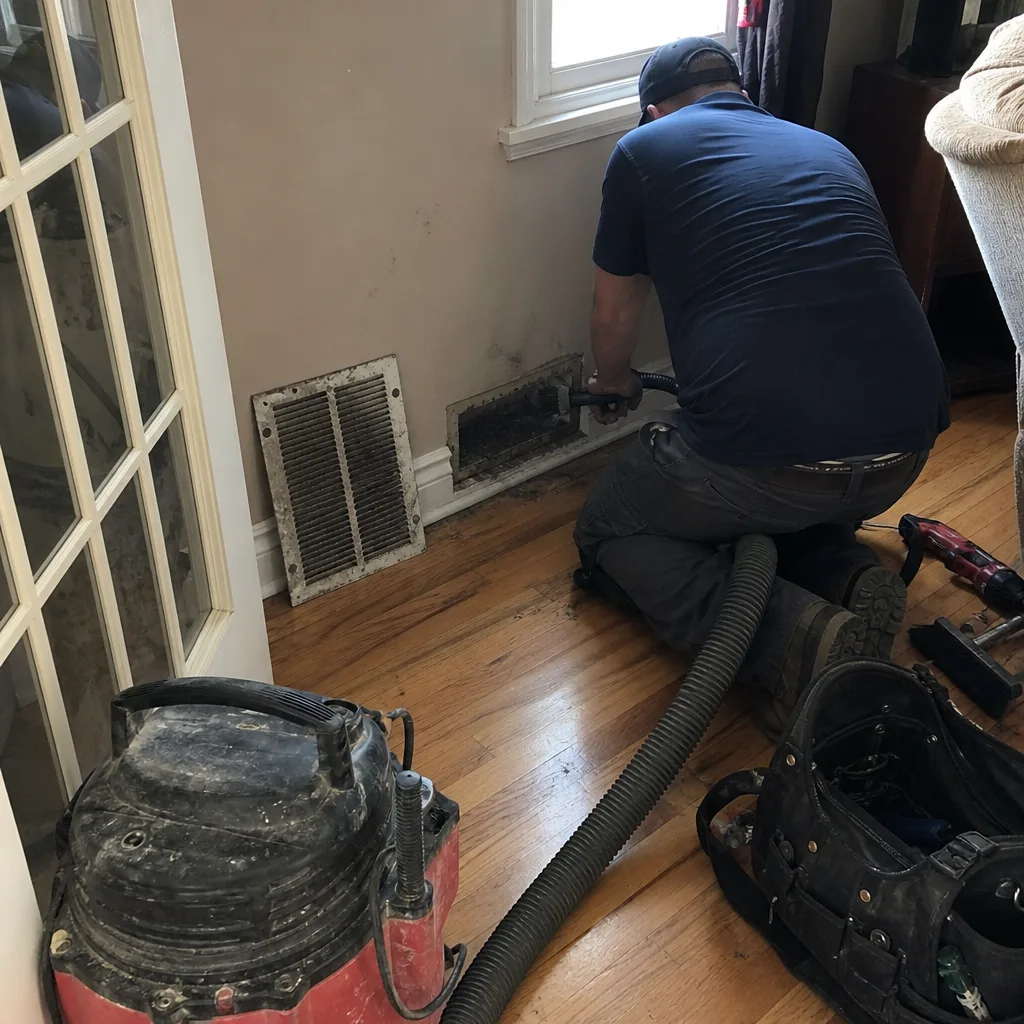
 After
 Before
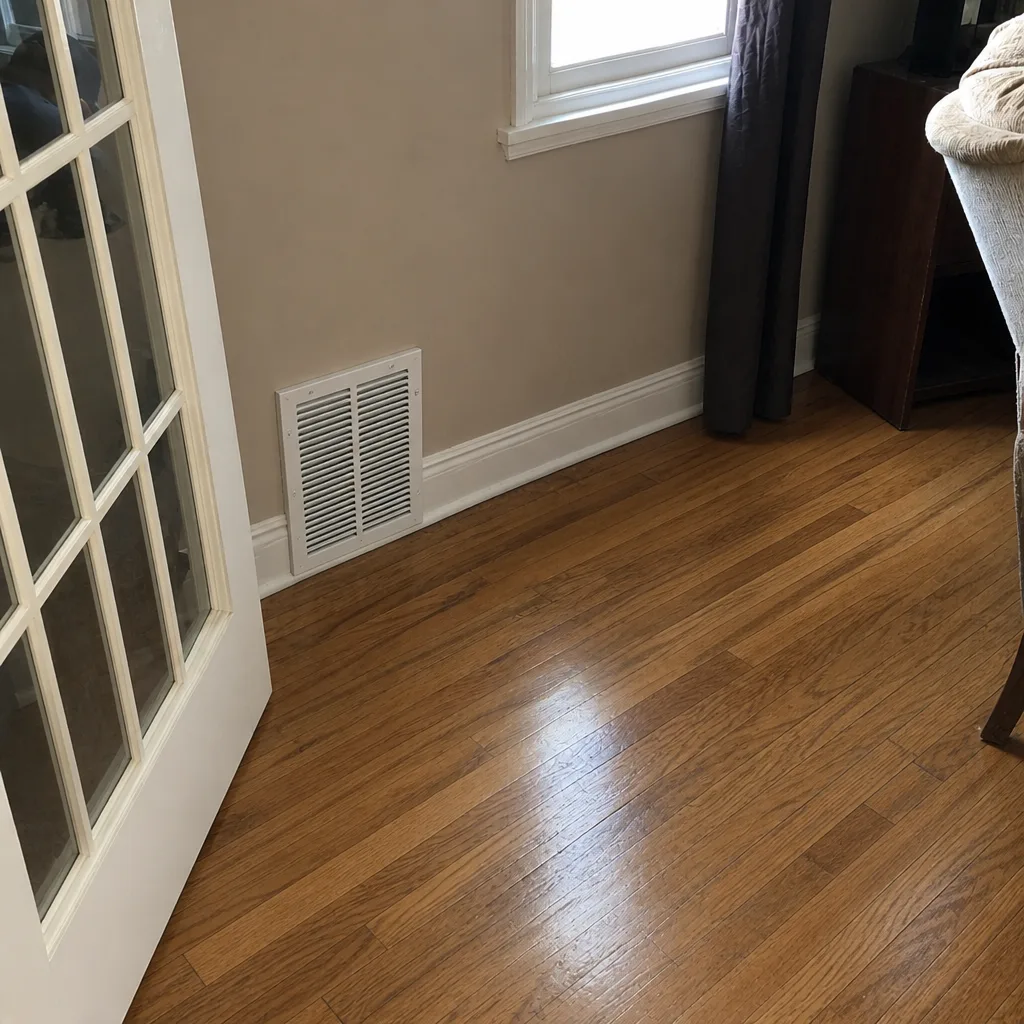 After
When to Call a Professional
Call a professional when there’s visible duct buildup, a persistent musty odor that doesn’t clear from cleaning the grilles, recent renovation dust, signs of pest activity, or anyone in the house with asthma or allergy sensitivity. Call too if the system has never been cleaned since the home was built or purchased, and again if a low quote feels too good to be true. For a full walkthrough of the professional-grade approach from the Air Duct Cleaning Stapleton team, see our service overview.
Air Duct Cleaning Stapleton offers free estimates in Stapleton. Call (877) 536-7311 and we’ll get an honest read on whether your ducts need the full treatment or just a tune-up. We answer 24/7. Fast dispatch from 7am to 7pm, Sunday through Friday.
Frequently Asked Questions
Typical full-system air duct cleaning for a standard Stapleton home falls in a mid-range whole-system price that depends on the number of registers, the number of HVAC systems, and contamination level – and the written estimate sets the final price. Ask for it before work starts. Call (877) 536-7311 for an exact quote; estimates are free.
Cheap quotes usually skip the equipment that makes real cleaning possible – the rotary agitation tools, the negative pressure setup, and the containment that keeps debris out of your rooms. They may quote per vent, which encourages a fast in-and-out with no deep extraction. Call (877) 536-7311 and ask what equipment a crew brings before you book with anyone.
The accessible surface part, yes: register grilles, filter replacement, and shallow return boxes are within reach. The deep work – duct interiors, air handler, coil, plenum – needs equipment a homeowner can’t rent, and attempting it with a shop-vac can redistribute debris instead of removing it. Call (877) 536-7311 for an inspection if you’re unsure where the line is in your home.
Ask for before-and-after photos inside the duct, and take them yourself if you want a record. A crew using Rotobrush or Nikro equipment can document the result; a crew without the right tools generally can’t. Call (877) 536-7311 to schedule and ask about the documentation that comes with the visit.
For most homes with regular filter changes and no unusual contamination trigger, cleaning every few years is reasonable – and Stapleton’s long heating season tends to shorten that interval compared to milder markets. Homes with pets, recent renovations, or allergy concerns should lean toward the more frequent end. Call (877) 536-7311 for an inspection-based recommendation.
Working inside the air handler or making modifications to the system can affect warranty coverage on those components, so check the equipment warranty language before opening anything beyond a register. Routine maintenance (filters, grilles, exterior inspection) is not the concern. Call (877) 536-7311 if you want a professional to check the system without risking a warranty issue.
Rotobrush and Nikro systems on every job, Abatement Technologies filtration and containment gear where contamination calls for it, and Honeywell and Aprilaire filtration and IAQ products installed and serviced as part of the visit. We also handle duct repair and sealing, so we can address the reason the ducts got dirty. Call (877) 536-7311 to talk through what your system needs.
The Bottom Line
The DIY vs professional air duct cleaning question comes down to equipment physics, not skill. You can meaningfully clean your registers, change your filters, and vacuum an accessible return box – and you should. What you can’t do is put a full duct run under enough negative pressure to extract settled debris without redistributing it, and the risk of damaging flex duct or voiding an HVAC warranty goes up the moment you try. In Stapleton, the long heating season and the mix of older and newer construction make a periodic professional inspection worth the call. Rotobrush and Nikro equipment, containment, and before-and-after photos are what separate real cleaning from a promise.
If you’re ready for an honest read on your system, call (877) 536-7311 for a free estimate. We answer 24/7. Fast dispatch from 7am to 7pm, Sunday through Friday.
Written by the team at Air Duct Cleaning Stapleton.